In modern mechanical and industrial systems, reliable torque transmission and vibration reduction are critical. Aluminium couplings serve as lightweight, durable solutions to connect shafts, align components, and compensate for minor misalignments.
Engineers and designers increasingly rely on high-quality aluminium couplings to achieve efficiency and longevity in machines ranging from precision automation equipment to heavy-duty manufacturing lines. Manufacturers like iHF Group focus on combining material science and precision machining to ensure performance and reliability.
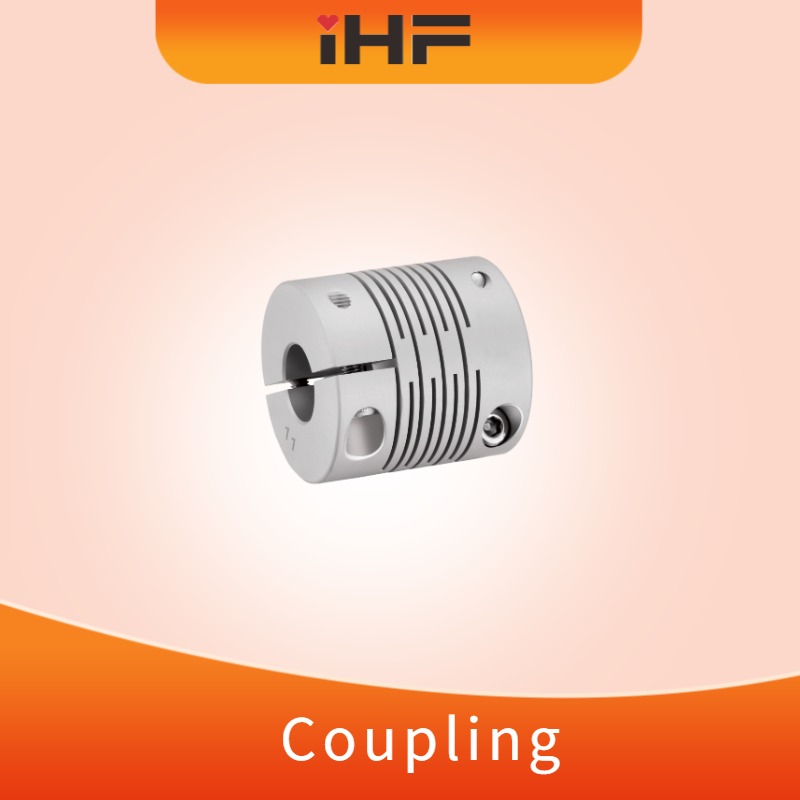
1. Understanding Aluminium Couplings
Aluminium couplings are mechanical connectors designed to join two rotating shafts while transmitting torque. They are widely used in:
CNC machinery
Robotic automation
Conveyors and material handling systems
Pumping and hydraulic assemblies
The choice of aluminium provides a balance of lightweight structure, corrosion resistance, and thermal conductivity, making it preferable for applications where reduced inertia and moderate torque handling are required.
2. Key Features and Benefits
2.1 Lightweight Yet Strong
Compared with steel or stainless-steel alternatives, aluminium couplings reduce system weight, decreasing load on bearings and motors, which enhances efficiency and reduces energy consumption.
2.2 Corrosion Resistance
Aluminium naturally forms a thin oxide layer, providing excellent resistance to environmental degradation, which extends service life in moderate industrial environments without additional coatings.
2.3 Vibration Dampening
Certain aluminium coupling designs incorporate flexible elements to absorb vibrations and minimize shock transmission between shafts, protecting both the motor and driven equipment.
2.4 Precision and Alignment
High-quality aluminium couplings from iHF Group are machined to tight tolerances, ensuring minimal backlash and maintaining accurate rotational alignment essential for CNC and robotic applications.
3. Types of Aluminium Couplings
Selecting the right coupling type is critical to system performance. Common types include:
Rigid Couplings: Provide maximum torque transmission; ideal for perfectly aligned shafts.
Jaw Couplings: Incorporate elastomer inserts to compensate for minor misalignments and dampen vibrations.
Beam Couplings (Helical): Allow for angular, axial, and parallel misalignment, commonly used in precision servo systems.
Disc Couplings: Use flexible metal discs to maintain zero backlash while tolerating misalignment.
Each type balances torque capacity, flexibility, and alignment tolerance according to the specific application.
4. Selection Criteria for Aluminium Couplings
When selecting an aluminium coupling, engineers consider multiple factors:
Torque Requirements: Ensure the coupling can safely handle peak and continuous torque.
Shaft Diameter Compatibility: Accurate fit avoids slippage or excessive stress on the coupling.
Misalignment Compensation: Consider angular, axial, and parallel misalignment tolerances.
Environmental Conditions: Temperature, humidity, and exposure to chemicals may influence material choice.
Rotational Speed: High-speed applications require precise balancing to prevent vibration and premature wear.
iHF Group provides detailed technical specifications to guide precise coupling selection, ensuring safe and efficient operation.
5. Manufacturing Precision and Quality Assurance
Aluminium couplings must meet stringent manufacturing standards:
CNC Machining: Ensures tight tolerances for bore diameters, keyways, and flange dimensions.
Surface Treatment: Anodizing or surface finishing improves corrosion resistance and wear performance.
Material Testing: Aluminium alloys are tested for hardness, tensile strength, and fatigue resistance.
Dynamic Balancing: Critical for high-speed applications to minimize vibration and noise.
iHF Group combines advanced machining capabilities with rigorous quality control protocols to deliver reliable couplings for industrial use.
6. Applications Across Industries
Aluminium couplings are widely adopted in:
Automation and Robotics: Flexible couplings maintain precise motion control.
CNC Machines: Rigid or disc couplings ensure minimal backlash and accurate rotational positioning.
Conveyor Systems: Lightweight aluminium reduces load on motors and enhances system efficiency.
Pumps and Compressors: Dampens vibrations and compensates for minor misalignment in rotating shafts.
The versatility of aluminium couplings makes them essential for engineers seeking durability, precision, and efficiency in mechanical systems.
7. Maintenance and Longevity
Aluminium couplings are generally low-maintenance but require periodic inspection:
Check for signs of wear, cracking, or elongation.
Verify alignment and torque specifications regularly.
Ensure flexible elements are intact and free from deformation.
With proper installation and maintenance, high-quality aluminium couplings from iHF Group can operate reliably for years, reducing downtime and replacement costs.
Conclusion
Aluminium couplings are more than simple connectors—they are precision-engineered components that directly impact system performance, efficiency, and longevity. By combining lightweight aluminium alloys with high-precision machining, flexible design options, and rigorous quality control, iHF Group delivers couplings that meet the demanding requirements of modern mechanical and automation systems.
Whether for high-speed CNC equipment, industrial conveyors, or robotic assemblies, aluminium couplings from professional manufacturers provide the reliability, flexibility, and efficiency engineers need to optimize their systems.


 EN
EN en
en vi
vi it
it es
es th
th tr
tr ja
ja pt
pt ko
ko ru
ru fr
fr de
de ar
ar Request Quote