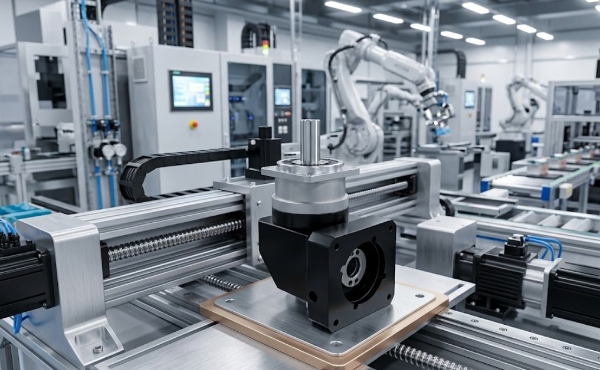
As robotics rapidly evolves from traditional industrial automation into collaborative robots, service robots, humanoid robots, and autonomous systems, one critical component remains at the heart of every movement: the Robot Joint Motor Actuator. Whether a robotic arm is assembling precision electronics, a humanoid robot is walking across uneven terrain, or an autonomous machine is performing complex inspection tasks, its performance depends heavily on the quality of its joint actuation system.
Modern robot joint motor actuators combine advanced motor technology, precision gearing, intelligent control algorithms, and compact mechanical integration to deliver the accurate, responsive, and reliable motion demanded by today's robotics industry. As an innovative supplier of motion control solutions, iHF Group provides high-performance robot joint motor actuators engineered to meet the growing requirements of intelligent automation, industrial robotics, and emerging robotic technologies.
What Is a Robot Joint Motor Actuator?
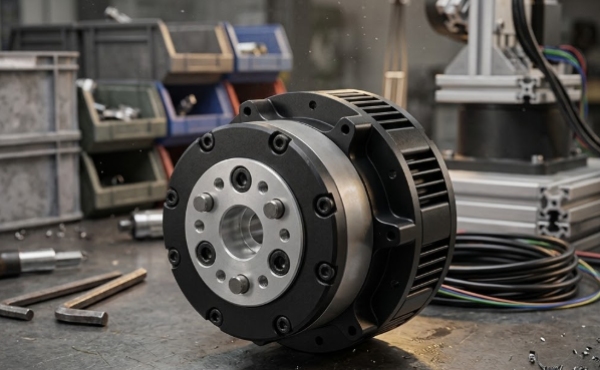
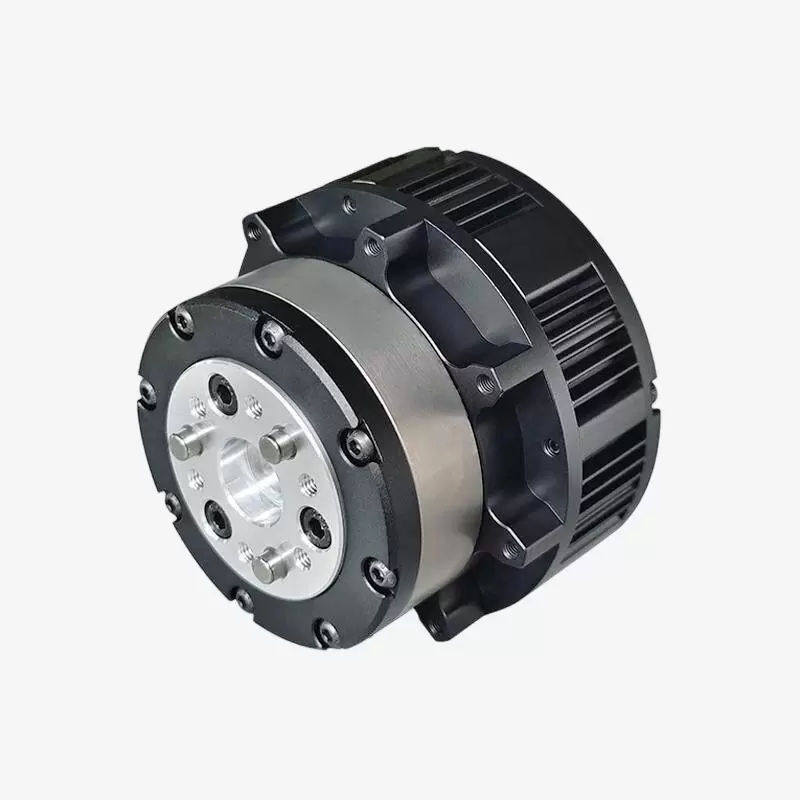
A robot joint motor actuator is an integrated electromechanical system that converts electrical energy into controlled rotational or linear motion at robotic joints.
Unlike conventional motors, modern robotic actuators incorporate multiple subsystems, including:
● High-efficiency servo motors
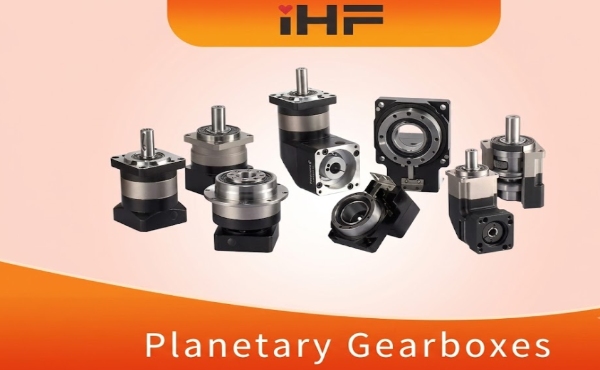
● Precision planetary gearboxes
● Position feedback encoders
● Motion controllers
● Torque sensing technology
● Integrated drive electronics
This integration enables robots to achieve smooth, repeatable, and highly accurate movement while maintaining compact size and energy efficiency.
Why Robot Joint Actuators Are Critical to Robotic Performance
Every robotic movement originates from a joint actuator.
The quality of the actuator directly affects:
● Motion precision
● Positioning accuracy
● Response speed
● Load capacity
● Energy efficiency
● System reliability
A poorly designed actuator can lead to vibration, backlash, positioning errors, and reduced operational lifespan.
In contrast, a high-precision robot joint motor actuator allows robots to perform complex tasks with exceptional repeatability and stability.
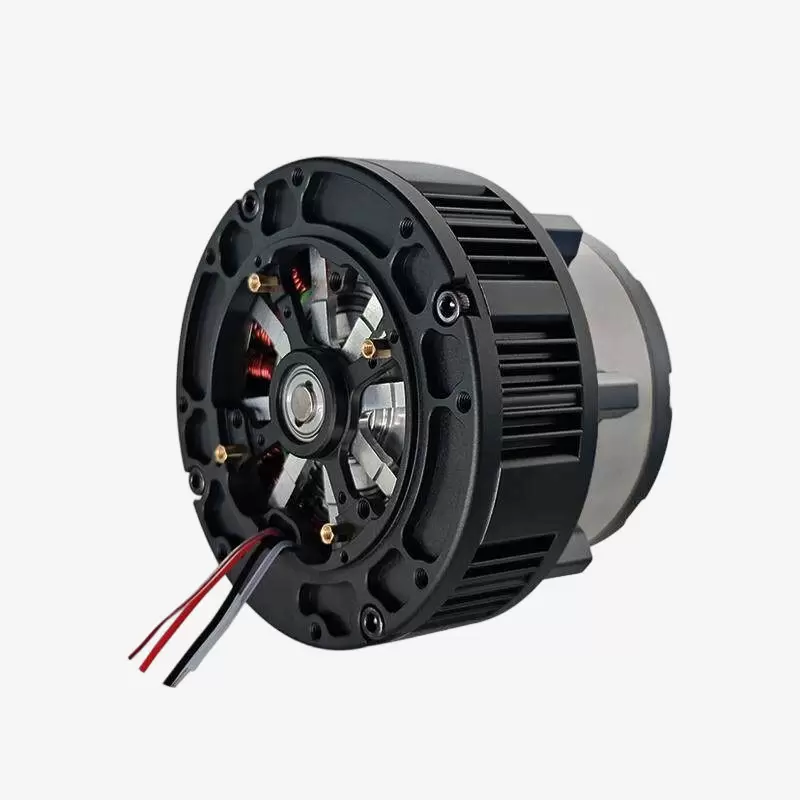
Key Technologies Behind Modern Robot Joint Motor Actuators
High-Torque Density Design
One of the most important performance indicators is torque density.
A high torque robot joint actuator generates substantial output torque while maintaining a compact form factor.
This is especially important for:
● Humanoid robots
● Collaborative robots (Cobots)
● Medical robots
● Mobile robotic platforms
Higher torque density enables more powerful movement without increasing overall system weight.
Precision Gear Transmission Systems
Most robotic joints require speed reduction and torque amplification.
Advanced robot actuator gearbox systems utilize:
● Planetary gear reducers
● Harmonic drives
● Cycloidal reducers
These transmission technologies help minimize backlash while improving motion accuracy.
As a specialist in motion transmission solutions, iHF Group integrates precision gearbox technology to enhance overall actuator performance.
Intelligent Servo Control
Modern robotic systems demand dynamic and adaptive motion.
A servo motor actuator for robotics incorporates sophisticated control algorithms capable of:
● Position control
● Velocity control
● Torque control
● Motion trajectory planning
These capabilities allow robots to perform highly complex movements with exceptional responsiveness.
High-Resolution Feedback Systems
Encoders provide real-time position and velocity information.
Advanced robot joint servo actuators often utilize:
● Absolute encoders
● Incremental encoders
● Magnetic sensing systems
High-resolution feedback improves precision while supporting advanced robotic control strategies.
Applications Across Multiple Robotics Industries
Industrial Robotics
Manufacturing remains one of the largest markets for robotic automation.
Industrial robots rely on robot arm joint motor actuators to perform:
● Welding
● Assembly
● Material handling
● Packaging
● Inspection
High precision and reliability are essential for maintaining production efficiency.
Collaborative Robots (Cobots)
Cobots are designed to work safely alongside human operators.
A compact robot joint actuator enables:
● Smooth movement
● Force-sensitive interaction
● Enhanced safety performance
These capabilities support growing adoption across factories and logistics facilities.
Humanoid Robots
The rapid development of humanoid robotics has significantly increased demand for advanced actuation technology.
A humanoid robot joint motor actuator must provide:
● High torque output
● Lightweight construction
● Fast dynamic response
● Precise motion control
These requirements closely mimic the complexity of human musculoskeletal systems.
Medical Robotics
Medical applications require extremely accurate motion.
Robot actuators support:
● Surgical robots
● Rehabilitation systems
● Diagnostic equipment
● Assistive robotic devices
In these environments, even minor positioning errors are unacceptable.
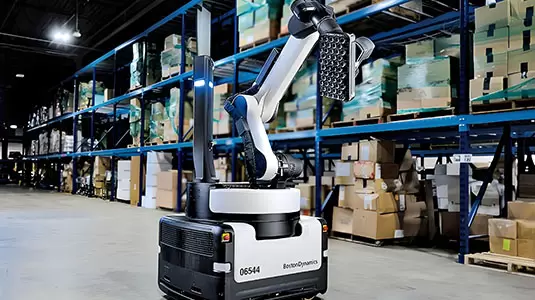
Autonomous Mobile Robots (AMRs)
Mobile robotic systems depend on compact and efficient actuators to support navigation, steering, and load handling functions.
Energy-efficient actuator designs help extend battery life and operational runtime.
What Buyers Should Consider When Selecting a Robot Joint Motor Actuator
Choosing the right actuator involves evaluating multiple technical parameters.
Torque Output
The actuator must generate sufficient torque for the intended application.
Positioning Accuracy
Higher accuracy is essential for precision manufacturing and medical robotics.
Backlash Performance
Low-backlash transmission systems improve repeatability and motion quality.
Weight-to-Power Ratio
Lightweight designs improve robot efficiency and dynamic performance.
Thermal Management
Effective heat dissipation supports long-term operational reliability.
Integration Capability
Modern robotic platforms benefit from actuators that integrate motors, drives, sensors, and gearboxes into a single compact unit.
iHF Group develops actuator solutions designed to optimize these critical performance factors.
Why Advanced Robot Joint Actuators Are Driving the Future of Automation
As artificial intelligence and robotics continue to evolve, actuators are becoming increasingly sophisticated.
Future actuator developments are expected to include:
● Embedded AI motion optimization
● Integrated force sensing
● Enhanced energy efficiency
● Digital twin compatibility
● Predictive maintenance functionality
● Lightweight composite structures
These innovations will allow robots to become more autonomous, adaptable, and capable of operating in complex real-world environments.
Why Choose iHF Group?
As a trusted provider of precision motion solutions, iHF Group delivers robot joint motor actuators engineered for demanding industrial and robotic applications.
Key advantages include:
✔ High torque density design
✔ Precision gearbox integration
✔ Low backlash performance
✔ Advanced servo control compatibility
✔ Compact and lightweight architecture
✔ Reliable long-term operation
✔ Custom OEM and ODM solutions
✔ Extensive experience in motion transmission systems
Through continuous innovation and engineering excellence, iHF Group supports customers developing the next generation of intelligent robotic systems.
Conclusion
The future of robotics depends on motion systems that are precise, efficient, compact, and intelligent. At the center of this technological evolution is the Robot Joint Motor Actuator, a critical component that determines how effectively robots interact with the world around them.
From industrial automation and collaborative robots to humanoid systems and medical devices, advanced robot joint actuators enable the performance, reliability, and flexibility required by modern robotics.
With expertise in motion transmission, precision engineering, and integrated actuator technologies, iHF Group continues to help robotics manufacturers unlock new levels of innovation and operational excellence.


 EN
EN en
en vi
vi it
it es
es th
th tr
tr ja
ja pt
pt ko
ko ru
ru fr
fr de
de ar
ar Request Quote