Position: Home > News Center > Industry News > Advanced Toothed Idler Pulley Design for High-Performance Mechanical Applications
Advanced Toothed Idler Pulley Design for High-Performance Mechanical Applications
Apr. 28, 2026 Views:400
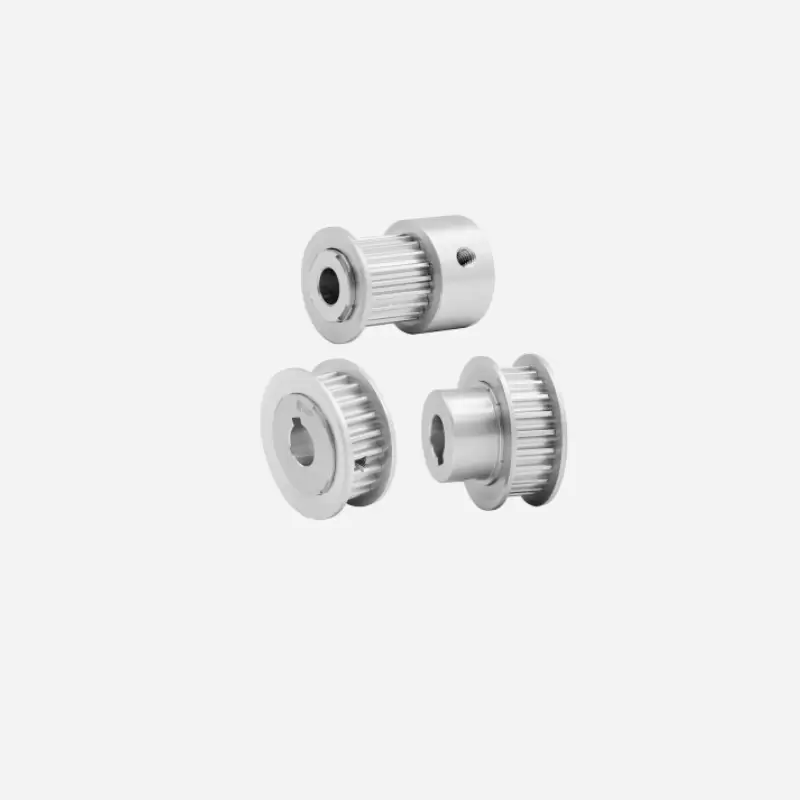
In modern mechanical transmission systems, performance is often determined by components that operate quietly in the background. One such essential part is the toothed idler pulley, a critical element in timing systems, belt drives, and precision motion control assemblies.
As industries demand higher efficiency, smoother operation, and reduced maintenance downtime, toothed idler pulley systems for precision belt transmission are becoming increasingly important. These components help stabilize belt movement, maintain correct tension, and improve overall drive system accuracy.
Manufacturers like iHF Group continue to refine these components to meet the evolving needs of automation, robotics, and industrial machinery.
What Is a Toothed Idler Pulley?
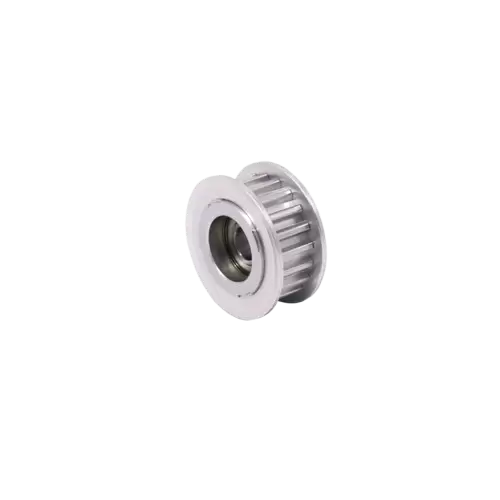
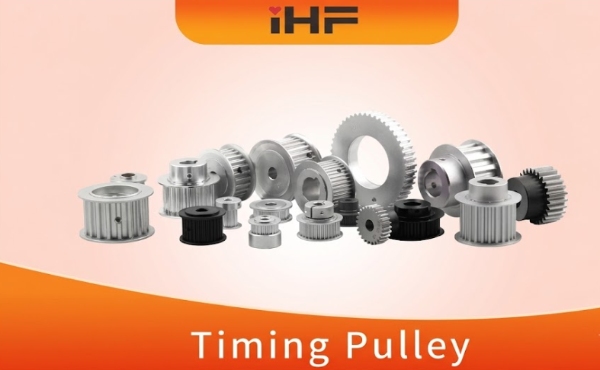
A toothed idler pulley is a non-driven pulley designed with gear-like teeth that engage with timing belts. Unlike standard smooth idler pulleys, toothed versions ensure synchronized movement and prevent belt slippage.
These pulleys are widely used in systems requiring accurate timing and stable mechanical synchronization.
Engineering Design and Material Advantages
✔ Steel Bearing Core for Smooth Rotation
Each toothed idler pulley is equipped with high-quality steel bearings. This ensures:
● Reduced friction during high-speed operation
● Improved rotational stability
● Extended service life under continuous load
This makes them suitable for precision motion control systems requiring long-term operational reliability.
✔ 6061 Aluminum Alloy Construction
The pulley body and integrated flanges are machined from 6061 aluminum alloy, offering an excellent balance of:
● High structural strength
● Lightweight performance
● Excellent machinability
This material selection is ideal for lightweight toothed idler pulley systems for industrial automation and robotics.
✔ Surface Treatment Options
To meet different environmental and engineering needs, multiple finishing options are available:
● Clear anodizing: Provides corrosion resistance while maintaining a clean metallic appearance
● Nickel plating: Enhances surface hardness and wear resistance for heavy-duty applications
These treatments ensure durability in both standard and harsh industrial environments.
✔ Flexible Tooth Count Design
Available tooth counts range from 16 to 60, allowing engineers to optimize:
● Speed ratios
● Belt routing layouts
● System synchronization accuracy
This flexibility makes them suitable for custom toothed idler pulley configurations for OEM drive systems.
Key Advantages in Mechanical Systems
Toothed idler pulleys offer several performance benefits over conventional smooth pulleys:
✔ Accurate Belt Positioning
Toothed engagement ensures precise tracking and eliminates slippage.
✔ Improved System Efficiency
Reduced friction and misalignment lead to smoother energy transfer.
✔ Enhanced Durability
High-strength materials and surface treatments extend operational lifespan.
✔ Reduced Maintenance Requirements
Stable alignment reduces wear on belts and surrounding components.
These benefits make them essential in high-performance industrial belt drive systems requiring precision and reliability.
Application Areas
Toothed idler pulleys are widely used in:
➤ Industrial Automation
Ensuring synchronized movement in conveyor and robotic systems.
➤ CNC Machinery
Providing accurate timing in machining operations.
➤ 3D Printing Equipment
Maintaining belt tension and precision motion control.
➤ Packaging Machinery
Supporting high-speed and repetitive mechanical cycles.
➤ Automotive Systems
Used in timing and auxiliary belt drive systems.
Their versatility supports multi-industry toothed idler pulley applications for precision engineering systems.
Frequently Asked Questions (FAQ)
Q1: What is the main function of a toothed idler pulley?
A toothed idler pulley guides and maintains belt tension while ensuring synchronized motion without slippage in timing systems.
Q2: Why use aluminum 6061 instead of steel?
6061 aluminum provides a strong yet lightweight structure, improving system efficiency and reducing rotational inertia.
Q3: What is the benefit of anodizing or nickel plating?
Anodizing improves corrosion resistance, while nickel plating enhances surface hardness and wear resistance.
Q4: Can tooth count be customized?
Yes, tooth counts from 16 to 60 allow flexible design for different speed ratios and mechanical layouts.
Q5: Where are toothed idler pulleys commonly used?
They are widely used in CNC machines, automation systems, robotics, and industrial timing belt drives.
Conclusion
Toothed idler pulleys may appear simple, but they play a crucial role in ensuring precision, stability, and efficiency in modern mechanical systems. With advanced materials, flexible design options, and high-precision machining, they are essential components in today’s industrial automation landscape.
With expertise from iHF Group, manufacturers can rely on durable, high-performance solutions that meet the demands of modern engineering applications.
This website uses cookies to provide you with a safer and more personal experience. By accepting, you agree to the Cookie Policy and the use of cookies for advertising and analytics purposes.


 EN
EN en
en vi
vi it
it es
es th
th tr
tr ja
ja pt
pt ko
ko ru
ru fr
fr de
de ar
ar Request Quote