In high-performance mechanical systems, reliability is rarely the result of a single component. Instead, it is achieved through the intelligent interaction of parts designed to absorb stress, compensate for misalignment, and maintain consistent power transmission. Among these components, flex couplings shafts play a pivotal yet often underestimated role. From industrial automation and CNC machinery to pumps, compressors, and energy systems, flex couplings shafts are essential for ensuring smooth torque transfer while protecting connected equipment from premature wear.
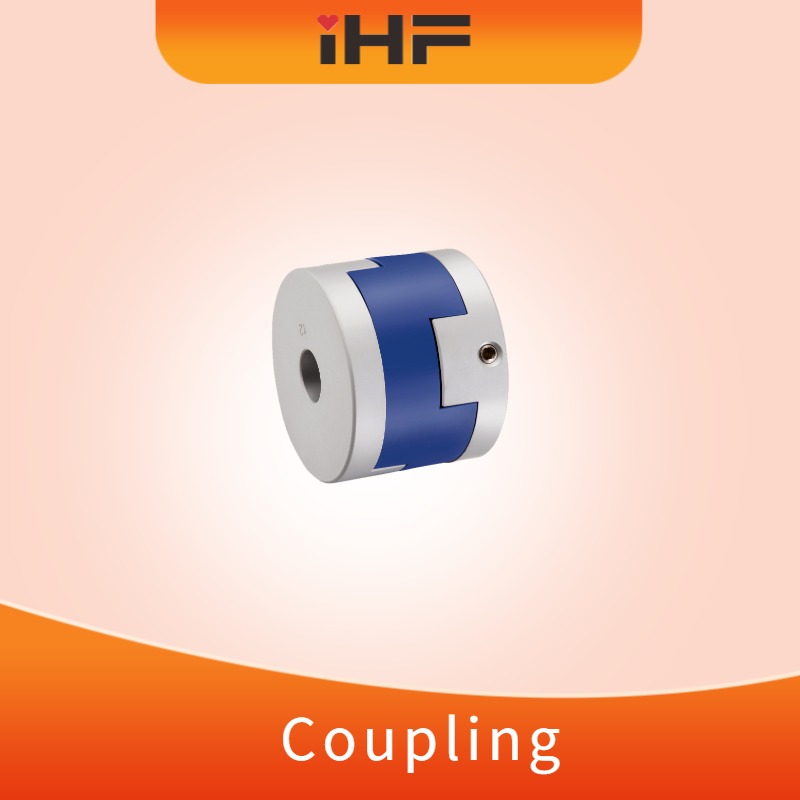
What Are Flex Couplings Shafts
Flex couplings shafts are mechanical transmission elements designed to connect two rotating shafts while accommodating angular, parallel, and axial misalignment. Unlike rigid couplings, flex couplings integrate elastic or flexible elements that absorb vibration and shock loads without compromising torque capacity.
Their primary functions include:
Transmitting rotational power efficiently
Compensating for installation or operational misalignment
Reducing vibration, noise, and mechanical stress
Extending the service life of connected components
These characteristics make flex couplings shafts indispensable in systems where precision and durability must coexist.
Why Misalignment Is an Engineering Reality
In theory, shafts should be perfectly aligned. In practice, misalignment is unavoidable due to:
Manufacturing tolerances
Thermal expansion during operation
Structural deflection under load
Installation limitations in compact systems
Rigid connections under these conditions can lead to excessive bearing loads, seal damage, and fatigue failure. Flex couplings shafts address this challenge by introducing controlled flexibility into the drivetrain, allowing systems to operate reliably under real-world conditions.
Key Design Principles of High-Quality Flex Couplings Shafts
1. Controlled Flexibility Without Torque Loss
A well-designed flex coupling shaft balances elasticity with torsional stiffness. Excessive flexibility can reduce positional accuracy, while insufficient flexibility transfers stress directly to bearings and motors.
Advanced designs from iHF Group ensure:
Stable torque transmission
Predictable torsional behavior
Minimal backlash in precision applications
This balance is critical for applications such as servo-driven systems and high-speed machinery.
2. Vibration and Shock Load Damping
Mechanical vibration is a leading cause of long-term equipment degradation. Flex couplings shafts act as a mechanical buffer, absorbing:
By reducing transmitted vibration, these couplings protect gearboxes, motors, and bearings, improving overall system longevity.
3. Material Selection and Structural Integrity
Material choice directly affects performance, fatigue resistance, and environmental compatibility. Common materials include:
High-strength alloy steels for heavy-duty torque
Aluminum alloys for lightweight, high-speed systems
Elastomeric or composite elements for damping and isolation
iHF Group applies application-specific material engineering to ensure flex couplings shafts perform consistently under high torque, variable loads, and challenging operating conditions.
Industrial Applications of Flex Couplings Shafts
Flex couplings shafts are widely used across industries where reliability and efficiency are critical:
Industrial automation and robotics
Pumps, fans, and compressors
CNC machine tools and precision equipment
Energy, power generation, and transmission systems
Packaging, conveying, and processing machinery
In each application, the coupling’s role extends beyond power transmission—it becomes a protective element within the mechanical system.
Precision Manufacturing and Quality Control
The performance of a flex coupling shaft is highly dependent on manufacturing accuracy. Poor tolerances or inconsistent assembly can negate the benefits of flexible design.
iHF Group emphasizes:
Precision machining of coupling hubs and shafts
Strict dimensional and concentricity control
Consistent quality across production batches
This manufacturing discipline ensures reliable installation, predictable performance, and long-term operational stability.
Selecting the Right Flex Couplings Shaft: Key Considerations
Choosing the correct flex coupling shaft requires a holistic understanding of system requirements. Engineers should evaluate:
Rated torque and peak load conditions
Allowable misalignment (angular, axial, parallel)
Operating speed and inertia
Environmental factors such as temperature and corrosion
Maintenance expectations and service life
By aligning these parameters with application needs, manufacturers can avoid overdesign or premature failure.
Why iHF Group Is a Trusted Partner
As an experienced industrial component supplier, iHF Group focuses on delivering flex couplings shafts that integrate seamlessly into complex mechanical systems. Its solutions are designed not only to meet technical specifications, but also to support long-term operational efficiency.
Customers benefit from:
Application-driven engineering support
Stable and repeatable product quality
Solutions suitable for OEM and system integrators
Components designed for both standard and customized requirements
This approach positions iHF Group as a reliable partner in power transmission and motion control solutions.
Conclusion: Flexibility as a Strategic Advantage
Flex couplings shafts are not merely connecting elements—they are strategic components that protect equipment, enhance reliability, and improve system performance. By accommodating misalignment and reducing mechanical stress, they enable machines to operate efficiently in real-world conditions.
Through advanced design, material expertise, and precision manufacturing, iHF Group provides flex couplings shaft solutions that meet the evolving demands of modern industry, helping engineers build systems that last longer and perform better.


 EN
EN en
en vi
vi it
it es
es th
th tr
tr ja
ja pt
pt ko
ko ru
ru fr
fr de
de ar
ar Request Quote