In the rapidly evolving landscape of industrial automation and intelligent robotics, motion precision has become the defining factor of system performance. From collaborative robots (cobots) and industrial robotic arms to precision assembly systems and medical robotic platforms, the robot joint motor actuator plays a foundational role in determining accuracy, responsiveness, and operational stability.
As robotic systems move toward higher degrees of freedom and more complex motion trajectories, demand is increasing for high-torque-density, low-vibration, and closed-loop controlled joint actuators that can maintain performance consistency even under dynamic load conditions.
Within this engineering context, iHF Group develops advanced motor actuator solutions designed to support precise, stable, and highly responsive robotic joint motion control across industrial applications.
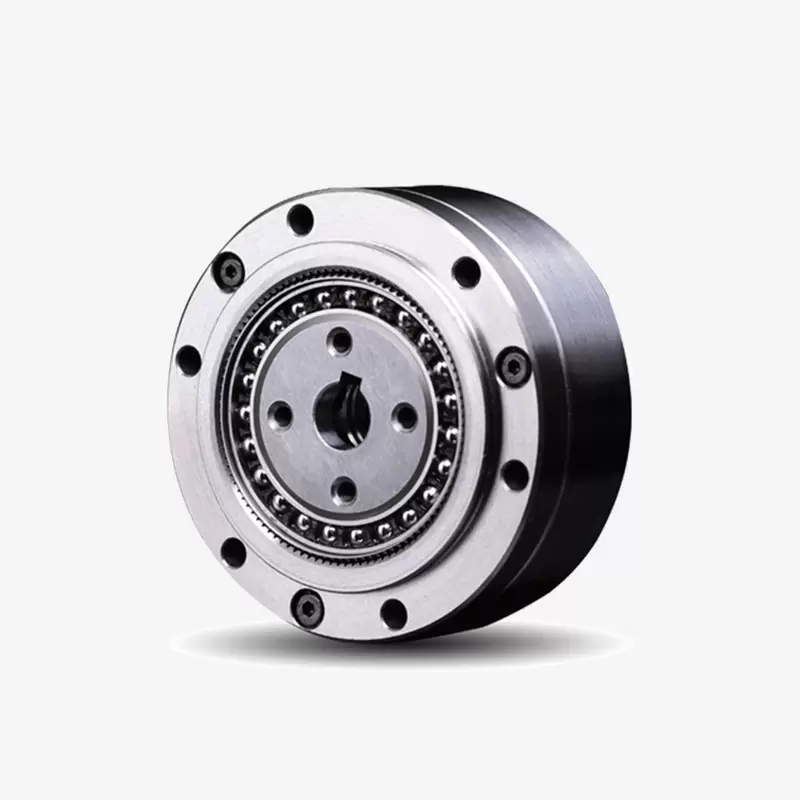
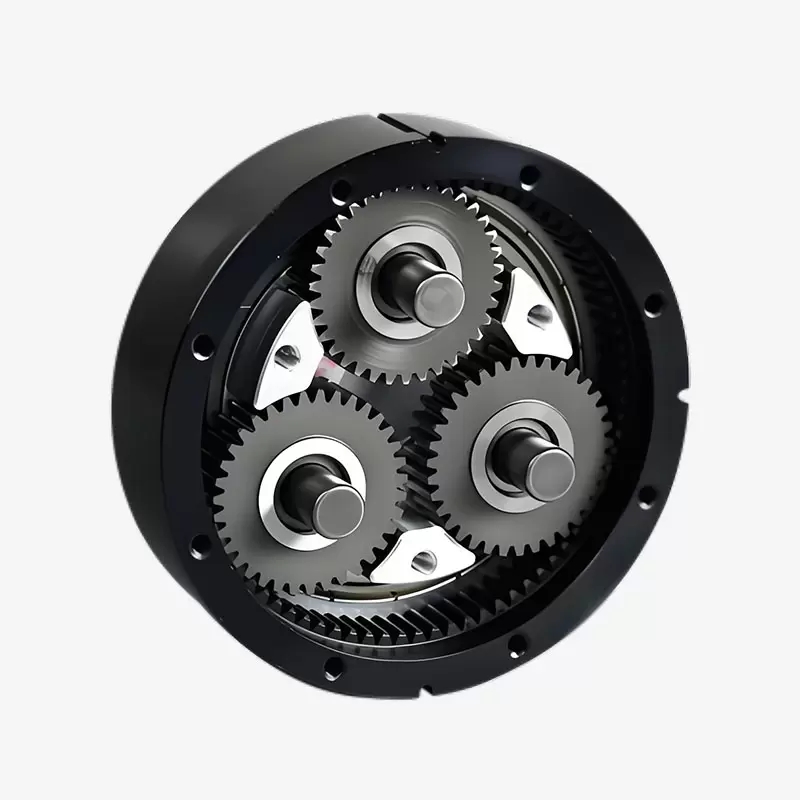
Core Functional Characteristics of Robot Joint Motor Actuators
Modern robotic actuators are engineered to meet stringent performance requirements in dynamic motion environments. The following key characteristics define advanced actuator systems:
Precise Control at Low Speeds
Maintaining stability at low rotational speeds is essential for tasks such as fine assembly, precision welding, and surgical robotics. High-quality actuators ensure smooth torque delivery without oscillation or drift.
Rapid Motor Direction Reversal
In robotic applications, frequent changes in direction are common. A high-performance robot joint motor actuator enables rapid reversal without mechanical lag or loss of positional accuracy.
Closed-Loop Control of Torque, Speed, and Position
Closed-loop feedback systems continuously monitor and adjust actuator performance to ensure:
● Accurate torque regulation
● Stable speed control
● High-precision position tracking
This results in superior motion repeatability and reduced deviation under load variation.
Fast Response with Stable Operation
Modern actuators are designed to respond instantly to control signals while maintaining mechanical stability. This is essential in high-speed robotic assembly lines where milliseconds matter.
Low Vibration and Low Noise Output
Vibration reduction is critical in precision environments. Advanced electromagnetic design and rotor balancing significantly reduce operational noise and mechanical resonance.
Optimized Motor Slot Design and Torque Density
Innovative slot geometry improves magnetic flux distribution, resulting in:
● Higher torque output per unit volume
● Reduced energy loss
● Improved thermal efficiency
At the same time, cogging torque is minimized to ensure smoother rotation and improved motion control accuracy.
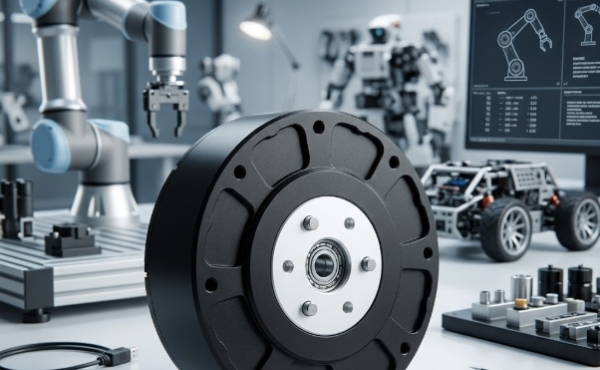
Engineering Design Principles Behind High-Performance Actuators
The development of robot joint motor actuators involves multiple engineering disciplines, including electromagnetics, thermal management, and control system integration.
Electromagnetic Optimization
Advanced finite element analysis (FEA) is used to design motor slots and magnetic circuits that maximize torque output while reducing energy loss.
Thermal Management Systems
Efficient heat dissipation is essential for maintaining performance stability under continuous operation. Optimized housing structures and material selection ensure consistent thermal behavior.
Precision Manufacturing Processes
High-accuracy CNC machining and rotor balancing techniques are used to achieve:
● Reduced eccentricity
● Improved rotational smoothness
● Enhanced durability under high-speed operation
Closed-Loop Sensor Integration
Encoders and feedback sensors provide real-time data for motion correction, enabling high-precision control even under variable load conditions.
Application Scenarios of Robot Joint Motor Actuators
Robot joint motor actuators are widely used across multiple high-tech industries:
Industrial Robotics
Used in multi-axis robotic arms for assembly, welding, material handling, and precision machining.
Collaborative Robots (Cobots)
Enable safe human-robot interaction through smooth motion control and torque limitation systems.
Medical Robotics
Provide ultra-precise motion for surgical robots and diagnostic equipment.
Semiconductor Manufacturing
Support wafer handling, inspection systems, and ultra-clean precision motion platforms.
Automated Production Systems
Used in packaging, electronics assembly, and high-speed sorting systems.
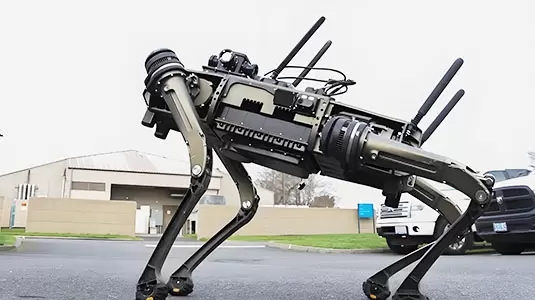
iHF Group: Engineering Intelligent Motion Control Solutions
As a professional manufacturer in precision mechanical and electromechanical systems, iHF Group focuses on delivering high-performance robot joint motor actuator solutions tailored for modern automation requirements.
The company’s actuator systems are engineered with emphasis on:
● High torque density design for compact robotic joints
● Closed-loop control architecture for precision motion regulation
● Low vibration and low noise operational performance
● Optimized electromagnetic slot structures
● High responsiveness under dynamic load conditions
By integrating advanced motor design with intelligent control systems, iHF Group provides actuator solutions that support next-generation robotics applications across industrial sectors.
Industry Trends in Robot Joint Actuation Technology
The robotics industry is undergoing rapid transformation, driving innovation in actuator technology:
Higher Integration Levels
Motor, encoder, and controller systems are increasingly integrated into compact modular units.
AI-Driven Motion Control
Machine learning algorithms are being used to optimize motion trajectories and reduce energy consumption.
Lightweight High-Torque Designs
New material technologies enable smaller actuators with higher torque output.
Ultra-Low Latency Response Systems
Real-time control systems are improving motion accuracy in high-speed robotics.
These trends highlight the growing importance of intelligent actuator design in future automation systems.
Frequently Asked Questions (FAQ)
1. What is a robot joint motor actuator used for?
A robot joint motor actuator is used to control precise motion in robotic joints, including torque, speed, and positional accuracy in automation systems.
2. Why is closed-loop control important in robotic actuators?
Closed-loop control ensures real-time correction of motion parameters, improving accuracy, stability, and repeatability under varying loads.
3. How does torque density affect actuator performance?
Higher torque density allows more powerful output in a compact design, improving robot efficiency and reducing system size.
4. What industries commonly use robot joint motor actuators?
They are widely used in industrial robotics, medical systems, semiconductor manufacturing, and automated production lines.
5. How does iHF Group improve actuator performance?
iHF Group focuses on optimized motor slot design, high-precision manufacturing, and advanced control integration to enhance performance stability and responsiveness.
Conclusion
The robot joint motor actuator is a critical component in modern robotics, directly influencing motion accuracy, operational efficiency, and system intelligence. As automation systems become more advanced, the demand for compact, high-torque, and highly responsive actuators continues to grow.
Through advanced engineering design and precision manufacturing, iHF Group delivers actuator solutions that meet the evolving requirements of industrial robotics, ensuring stable performance, low vibration, and high-precision motion control in demanding applications.


 EN
EN en
en vi
vi it
it es
es th
th tr
tr ja
ja pt
pt ko
ko ru
ru fr
fr de
de ar
ar Request Quote