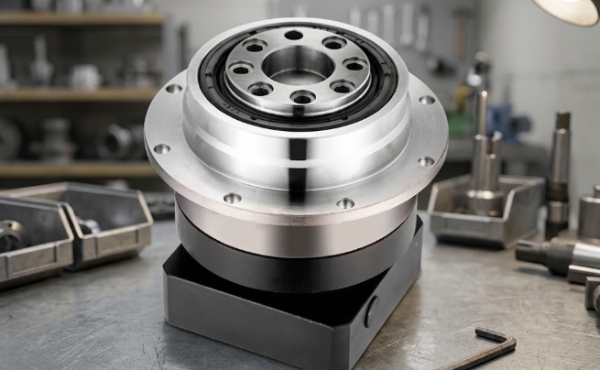
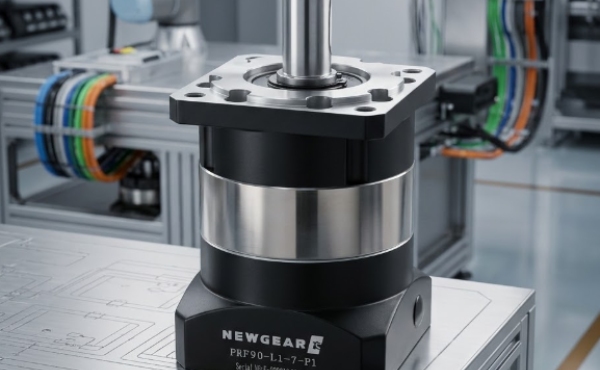
Brushless motors have become the preferred solution in modern motion control systems because of their high efficiency, long service life, and precise electronic speed control. These motors are widely used in robotics, industrial automation, electric mobility, and precision instruments. However, despite their performance advantages, brushless motors typically operate at high rotational speeds with relatively limited torque output.
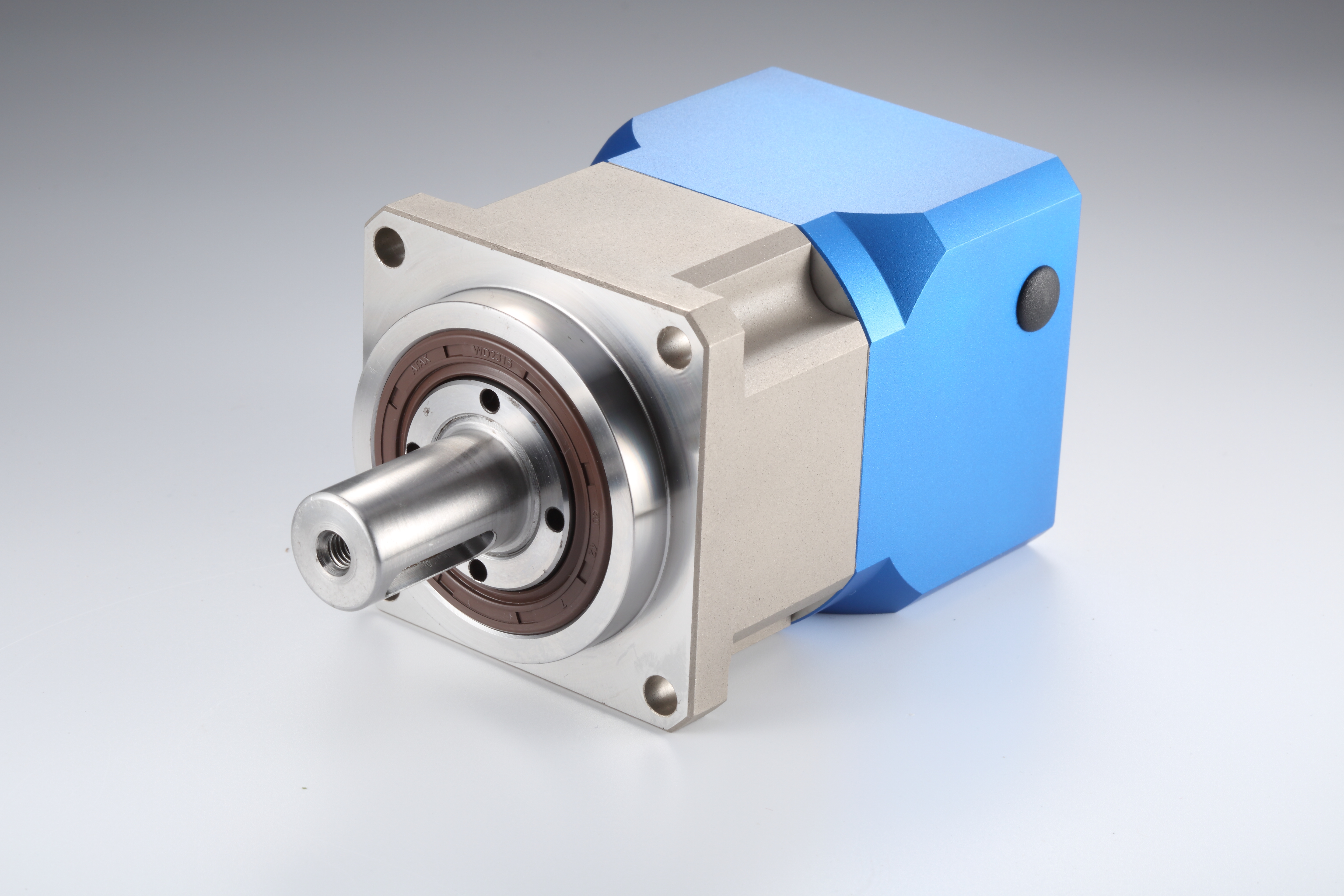
In applications that require powerful torque and controlled rotational speed, engineers often integrate a planetary gearbox for brushless motor systems. This mechanical transmission component converts high-speed motor output into lower-speed, higher-torque motion while maintaining excellent efficiency and compactness.
Advanced gearbox manufacturers such as iHF Group design high-performance planetary gear solutions specifically optimized for brushless motor integration. These systems enable efficient torque conversion and improve the overall reliability of motion control equipment.
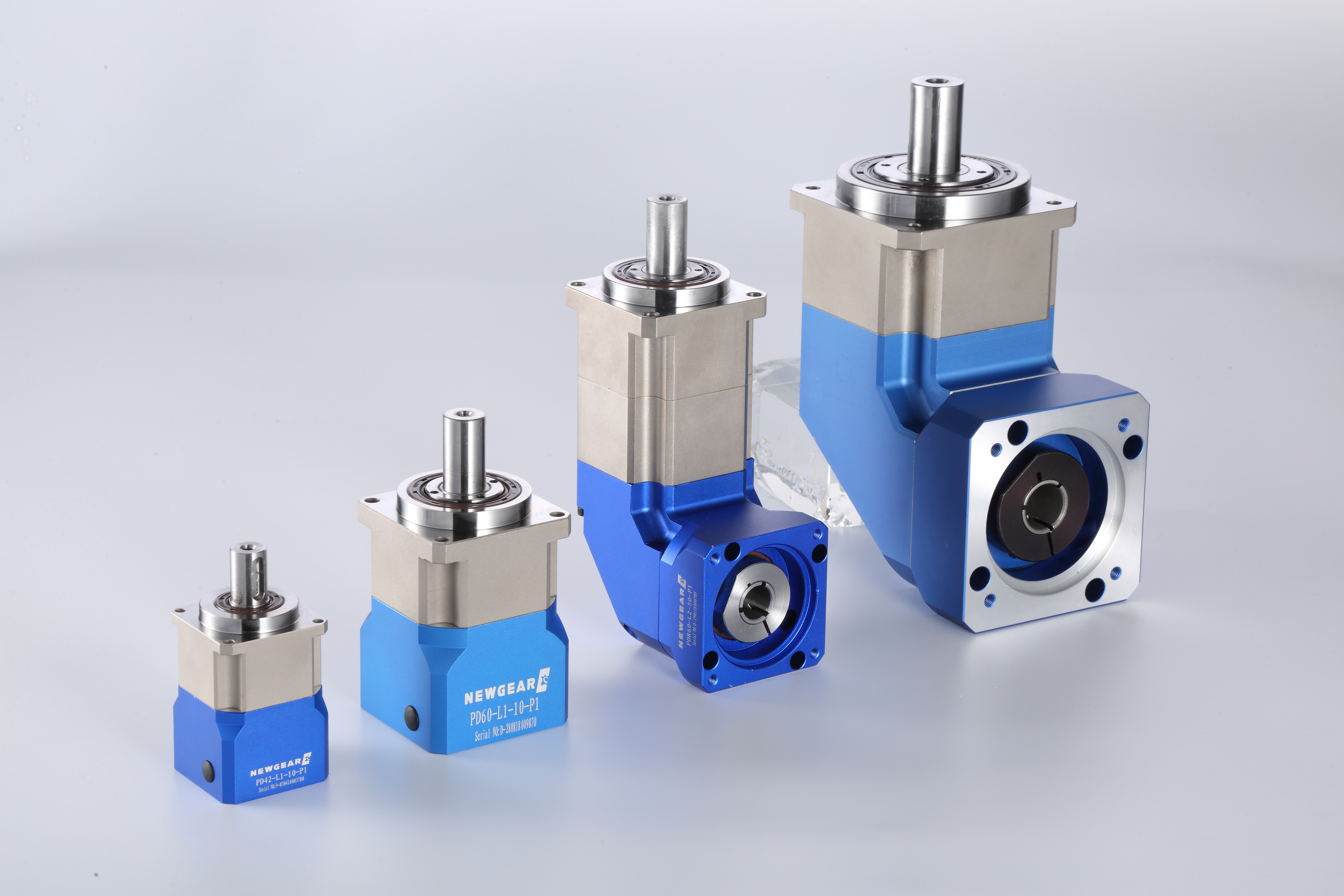
The Challenge of High-Speed Brushless Motors
Brushless motors are known for their ability to operate at extremely high rotational speeds. While this characteristic is beneficial for certain applications, it can also present mechanical limitations when direct torque is required.
Typical challenges include:
● Insufficient torque for heavy loads
● Reduced efficiency at very low speeds
● Difficulty maintaining precise motion control under load
● Increased mechanical stress when operating outside optimal speed ranges
Without an appropriate mechanical reduction system, a brushless motor may not deliver the performance required for demanding industrial tasks.
A planetary gearbox for brushless motor systems addresses these challenges by transforming motor speed into usable torque while maintaining system stability.
How Planetary Gear Systems Deliver Mechanical Advantage
Planetary gearboxes are designed around a compact and efficient gear architecture. The system includes a central sun gear, several planet gears, and an internal ring gear that encloses the assembly.
This configuration creates a unique mechanical advantage because multiple gears share the transmitted load simultaneously.
◆ Key Mechanical Benefits
● High Torque Density
Multiple planet gears distribute torque evenly, allowing the gearbox to handle higher loads without increasing size.
● Compact Structural Design
Planetary gearboxes offer high torque output in a much smaller footprint compared with traditional gear systems.
● Improved Mechanical Balance
Because torque is distributed symmetrically around the central axis, vibration and noise are significantly reduced.
● High Transmission Efficiency
Well-designed planetary gear systems can reach efficiency levels above 95 percent.
Manufacturers such as iHF Group apply precision machining and advanced gear design techniques to ensure smooth power transmission and long-term durability.

Performance Optimization Through Gear Reduction
The primary function of a planetary gearbox for brushless motor systems is to provide controlled gear reduction. Gear reduction allows engineers to tailor output speed and torque to match specific operational requirements.
◆ Speed Reduction
High-speed brushless motors often rotate at several thousand revolutions per minute. A planetary gearbox reduces this speed to a more practical level for mechanical systems.
◆ Torque Multiplication
As speed decreases through gear reduction, torque increases proportionally. This enables compact motors to drive heavy loads efficiently.
◆ Improved Motion Stability
By moderating rotational speed, the gearbox also improves motion smoothness and positioning accuracy.
In automated equipment and robotics, this level of control is essential for precise and repeatable movements.
Engineering Factors That Influence Gearbox Performance
Designing a reliable planetary gearbox involves several technical considerations.
◆ Gear Tooth Geometry
Precision gear tooth profiles ensure smooth meshing between gears. Optimized geometry reduces friction, noise, and wear.
◆ Material Strength
Planetary gears are typically manufactured from hardened alloy steel to withstand high mechanical loads and repeated stress cycles.
◆ Heat Treatment Processes
Advanced heat treatment techniques increase surface hardness while maintaining internal toughness, improving resistance to fatigue and deformation.
◆ Lubrication Systems
Proper lubrication minimizes friction and dissipates heat generated during high-speed operation.
Companies like iHF Group integrate these engineering principles into their gearbox manufacturing process to ensure consistent performance under demanding industrial conditions.
Industrial Applications of Planetary Gearboxes with Brushless Motors
The combination of brushless motors and planetary gearboxes is widely used across numerous high-tech industries.
◆ Robotics and Automation
Industrial robots require extremely precise motion control and high torque density. Planetary gearboxes enable robotic joints to deliver powerful yet controlled movement.
◆ Electric Vehicles and Mobility Systems
Electric bicycles, scooters, and autonomous vehicles rely on brushless motors with planetary gear systems to achieve efficient torque delivery while conserving battery energy.
◆ CNC Machinery and Precision Equipment
Machine tools and positioning systems depend on low-backlash planetary gearboxes for accurate mechanical movement.
Manufacturers such as iHF Group design planetary gearbox solutions capable of meeting the strict requirements of these advanced industries.
Practical Guide to Selecting a Planetary Gearbox for Brushless Motors
When choosing a gearbox for a brushless motor system, engineers should consider several key technical parameters.
◆ Gear Ratio
The required gear ratio determines the balance between speed reduction and torque amplification.
◆ Output Torque Capacity
The gearbox must withstand both continuous operational torque and peak load conditions.
◆ Backlash Level
Low backlash is crucial for applications requiring high positioning accuracy.
◆ Mechanical Efficiency
High efficiency reduces energy losses and improves system performance.
◆ Environmental Conditions
Gearboxes used in industrial environments must tolerate temperature variations, dust, and vibration.
Collaborating with experienced gearbox manufacturers such as iHF Group helps ensure that the selected system meets all operational requirements.
Conclusion
The planetary gearbox for brushless motor is a vital component in modern mechanical systems that require both high speed and powerful torque. By transforming high-speed motor output into controlled mechanical motion, planetary gearboxes enhance efficiency, precision, and durability.
Through advanced engineering, precision manufacturing, and optimized gear design, companies such as iHF Group provide high-performance gearbox solutions that support industries ranging from robotics and automation to electric mobility and aerospace.
As industrial technologies continue to evolve, the integration of brushless motors with advanced planetary gearbox systems will remain essential for achieving high-precision motion control and efficient power transmission.


 EN
EN en
en vi
vi it
it es
es th
th tr
tr ja
ja pt
pt ko
ko ru
ru fr
fr de
de ar
ar Request Quote