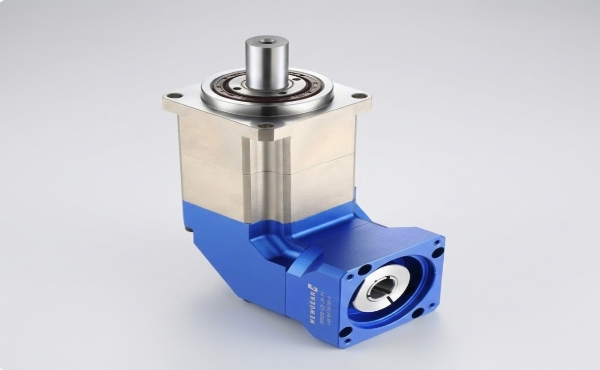
In industrial automation and mechanical power transmission, efficiency, reliability, and precision are non-negotiable. Whether in conveyor systems, packaging machinery, or material handling equipment, smooth torque transmission under varying load conditions directly impacts productivity and maintenance costs. At the heart of these systems lies the helical reducer, a gearbox component engineered to provide controlled speed reduction and torque multiplication.
A helical reducer stands out due to its angled gear teeth, which allow for gradual load distribution, high torque capacity, and quieter operation compared to spur gears. Leading manufacturers such as iHF Group design helical reducers with advanced materials, precision machining, and modular adaptability, enabling integration across a wide spectrum of industrial applications.
Understanding the Helical Reducer Structure
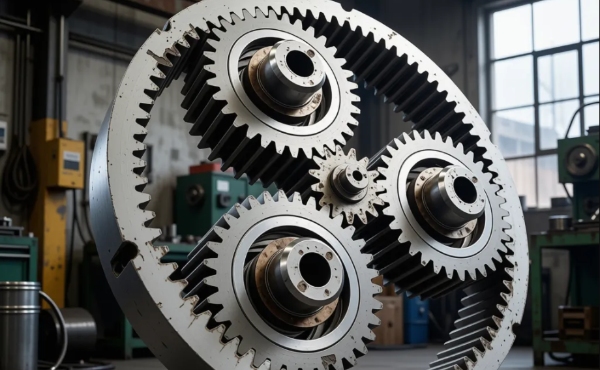
A helical reducer primarily consists of:
Helical Gears – Angled teeth ensure smoother meshing and higher load distribution.
Gear Housing – Provides structural integrity and supports alignment.
Bearings – High-precision bearings reduce friction and support radial and axial loads.
Shafts and Output Elements – Connect the reducer to driven equipment and transmit torque efficiently.
Key structural advantages:
Helical teeth create gradual engagement, reducing shock loads.
Greater tooth surface contact leads to higher torque capacity.
Reduced noise and vibration levels improve operational comfort and system longevity.
Performance Advantages of Helical Reducers
Smooth and Quiet Operation
The angled teeth of helical gears provide a progressive engagement, unlike straight-cut gears. This translates into lower noise levels and less vibration, a critical advantage in:
Packaging lines
Laboratory automation
Food processing equipment
High Torque Capacity
Due to multiple teeth engaging simultaneously, helical reducers can transmit higher torque without increasing gear size. This efficiency makes them suitable for:
Heavy-duty conveyors
Industrial mixers
Extrusion equipment
Reliability Under Continuous Operation
Helical reducers exhibit better load distribution across the gear teeth, reducing wear and prolonging service life. They are particularly advantageous in industries requiring continuous or long-duty cycles.
Technical Features and Design Considerations
Materials and Surface Treatments
High-quality helical reducers are typically made from alloy steels and treated with surface-hardening processes such as carburizing or nitriding. Benefits include:
Enhanced fatigue resistance
Reduced wear
Improved load-bearing performance
Lubrication and Maintenance
Proper lubrication is essential for gear longevity. iHF Group’s helical reducers often integrate sealed housings and optimized oil channels to maintain consistent lubrication under heavy-duty operation.
Modular and Customizable Design
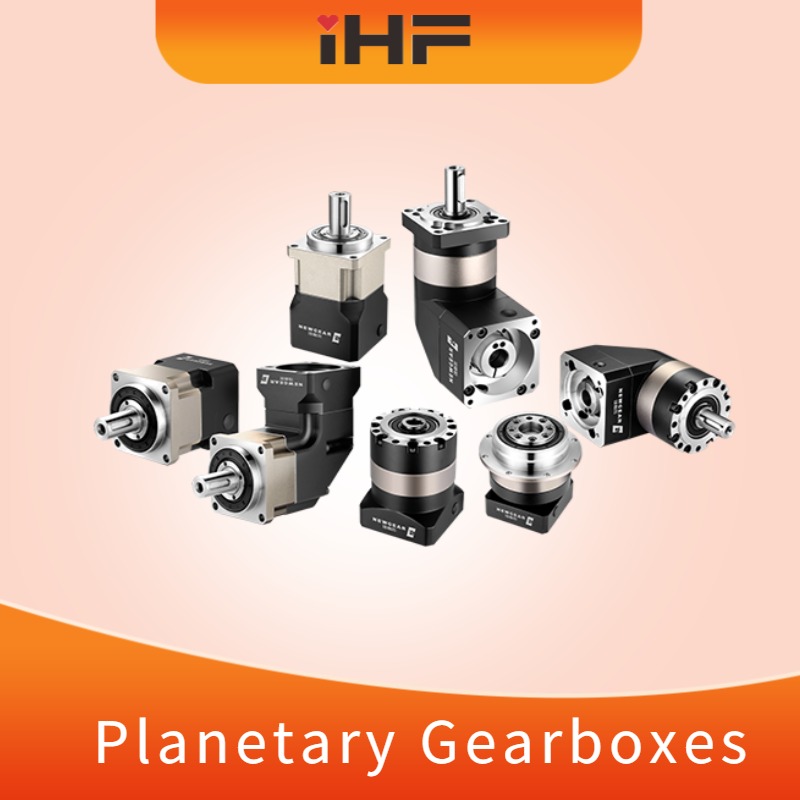
iHF Group provides helical reducers in multiple configurations (parallel shaft, right-angle, coaxial) to accommodate varying installation requirements. Customizable gear ratios and mounting options enable precise adaptation to machinery needs.
Application Scenarios Across Industries
Material Handling and Conveyors
Helical reducers are widely used in conveyor systems for:
Smooth acceleration and deceleration
Load handling with minimal shock
Long-term operational reliability
Packaging and Food Processing
In industries where noise reduction and hygiene compliance are critical, helical reducers provide:
Quiet and vibration-free operation
Compact design for constrained spaces
High torque transmission for continuous production lines
Industrial Automation and Robotics
Helical reducers support:
Precise positioning
Smooth motion control
Compatibility with servo and stepper motors
Mining, Cement, and Heavy Industries
High torque, durability, and reliability make helical reducers ideal for:
Crushers
Mixers
Conveyors handling abrasive materials
Selecting the Right Helical Reducer
To achieve maximum system performance, consider the following:
Gear Ratio – Defines speed reduction and torque multiplication.
Torque Requirements – Ensure gear material and tooth design can handle load.
Input Speed – Confirm compatibility with driving motor.
Mounting Type – Foot-mounted, flange-mounted, or combination types.
Operating Environment – Temperature, dust, humidity, and vibration considerations.
Manufacturer Support – Technical expertise, spare parts availability, and after-sales service.
iHF Group emphasizes engineering-driven solutions, helping clients select helical reducers that maximize performance while minimizing downtime.
Maintenance and Longevity Considerations
Proper operation and preventive maintenance are key to extending helical reducer lifespan:
Routine lubrication checks and oil replacement
Periodic inspection of gear teeth and bearings
Monitoring operating temperature and vibration
Adhering to torque limits and load ratings
These practices reduce unexpected downtime and protect the investment in high-performance industrial equipment.
Conclusion: Optimizing Industrial Performance with Helical Reducers
Helical reducers combine high torque capacity, smooth operation, and durability, making them indispensable in modern industrial machinery. By incorporating precision-engineered gears, robust housings, and advanced materials, iHF Group delivers helical reducers that meet rigorous operational demands across multiple industries.
For manufacturers seeking reliable, efficient, and adaptable power transmission solutions, investing in high-quality helical reducers is a strategic decision that directly impacts productivity, system longevity, and operational efficiency.


 EN
EN en
en vi
vi it
it es
es th
th tr
tr ja
ja pt
pt ko
ko ru
ru fr
fr de
de ar
ar Request Quote