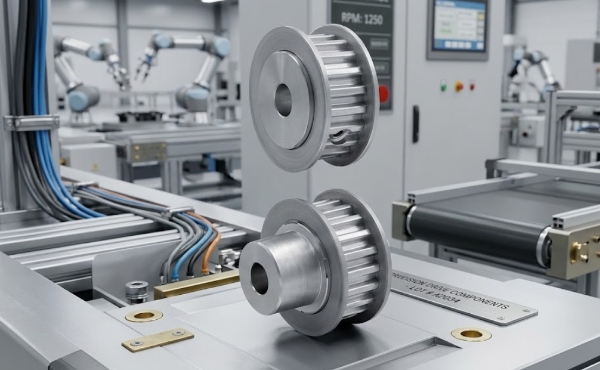
In modern industrial automation, conveying systems are no longer judged solely by their ability to move materials from point A to point B. Accuracy, repeatability, energy efficiency, and long-term reliability have become equally critical. At the heart of many light-duty conveyor systems lies a deceptively simple yet technically demanding component: the customized light-duty conveying timing belt pulley.
Unlike standard off-the-shelf pulleys, customized timing belt pulleys are engineered to meet precise operational requirements. Companies such as iHF Group, with deep expertise in precision mechanical components, play a vital role in helping manufacturers achieve higher performance and lower lifecycle costs through tailored pulley solutions.
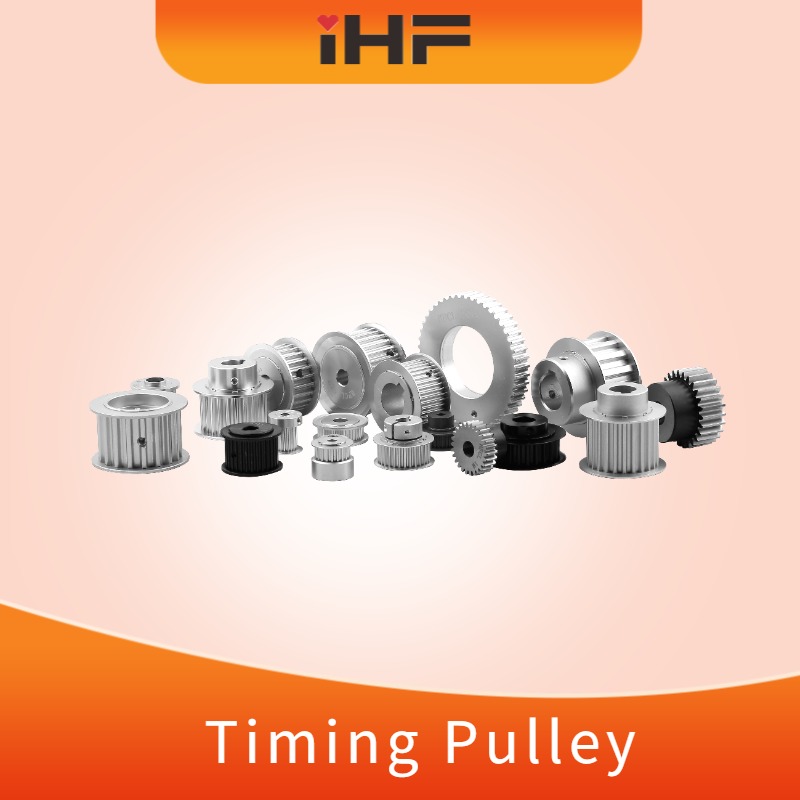
Understanding Light-Duty Conveying Timing Belt Pulleys
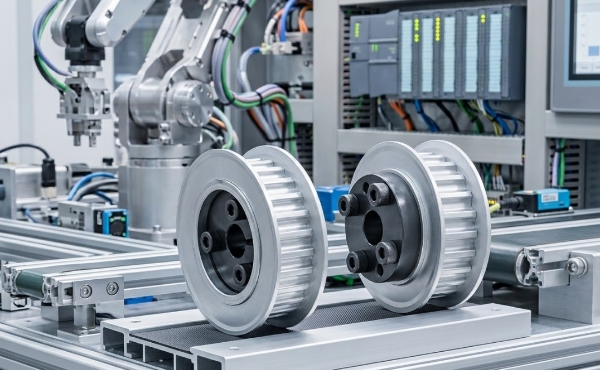
A timing belt pulley is designed to engage positively with a toothed belt, ensuring synchronized motion without slippage. In light-duty conveying applications, these pulleys are typically used in systems handling small parts, packaging materials, electronics, medical products, or food items.
Light-duty does not imply low precision. On the contrary, these systems often demand:
Tight positional accuracy
Smooth, low-noise operation
Minimal vibration
Compact design constraints
This is where customization becomes essential.
Why Customization Is Critical in Light-Duty Conveyor Systems
Standard pulleys are designed for general applications and may compromise efficiency or lifespan when used in specialized systems. Customized light-duty conveying timing belt pulleys address this gap by aligning pulley design with exact system parameters.
1. Dimensional Accuracy and Fit
Customized pulleys are manufactured to match specific shaft diameters, belt profiles (HTD, AT, GT, etc.), tooth counts, and face widths. This ensures optimal belt engagement and reduces wear.
2. Load and Speed Optimization
Even light-duty conveyors experience varying torque and speed requirements. Custom pulley geometry allows engineers to balance load distribution and rotational inertia for smoother operation.
3. Space and Integration Constraints
Many modern conveyor systems operate within compact layouts. Custom pulleys enable reduced hub sizes, special flange designs, or integrated mounting features without sacrificing performance.
Material Selection for Customized Timing Belt Pulleys
Material choice directly impacts durability, weight, and operating noise. Leading manufacturers such as iHF Group offer multiple material options based on application needs:
Aluminum alloys – Lightweight, corrosion-resistant, ideal for high-speed and low-load conveyors
Carbon steel – Higher strength for slightly increased loads or shock resistance
Stainless steel – Preferred for food processing, pharmaceutical, or wash-down environments
Engineering plastics – Used in ultra-light applications where noise reduction is critical
Each material is paired with precision machining to maintain tight tolerances.
Precision Manufacturing and Quality Control
Customization is only effective when supported by advanced manufacturing capabilities. High-quality timing belt pulleys require:
CNC machining for accurate tooth profiles
Controlled concentricity and runout
Surface finishing to reduce belt wear
Consistent quality across production batches
iHF Group leverages precision CNC equipment and strict quality inspection protocols to ensure every customized pulley meets both design intent and international industrial standards.
Performance Advantages in Real-World Applications
Customized light-duty conveying timing belt pulleys deliver tangible benefits across industries:
Improved Conveying Accuracy
Positive belt engagement eliminates slippage, maintaining precise indexing and product positioning.
Reduced Maintenance Costs
Optimized tooth geometry and material selection extend belt and pulley service life.
Energy Efficiency
Properly matched pulleys reduce frictional losses and motor load, contributing to lower energy consumption.
System Reliability
Customization minimizes misalignment and vibration, improving overall conveyor stability.
Common Applications of Light-Duty Customized Timing Belt Pulleys
Automated packaging lines
Electronics assembly conveyors
Medical device production systems
Laboratory automation equipment
Small-parts handling and sorting systems
In these environments, precision and cleanliness are often as important as mechanical strength.
Conclusion
A customized light-duty conveying timing belt pulley is far more than a mechanical accessory—it is a precision component that directly influences conveyor efficiency, reliability, and lifecycle cost. By combining engineering expertise, material science, and precision manufacturing, companies like iHF Group help industrial users unlock the full potential of modern conveying systems.
For manufacturers focused on accuracy, consistency, and long-term performance, investing in customized pulley solutions is not optional—it is a strategic advantage.


 EN
EN en
en vi
vi it
it es
es th
th tr
tr ja
ja pt
pt ko
ko ru
ru fr
fr de
de ar
ar Request Quote