In industrial motion systems, torque transmission accuracy is not merely a performance metric—it is a structural requirement. Misalignment, vibration, and torsional shock are among the most persistent challenges in rotating machinery. To address these constraints, flex couplings shafts have become a critical component in modern drivetrain engineering, enabling controlled flexibility without compromising torque integrity.
At iHF Group, flex coupling shaft solutions are developed with a focus on high-load stability, fatigue resistance, and precision alignment compensation for demanding industrial environments such as automation systems, robotics, packaging machinery, and heavy-duty mechanical transmission lines.
1. Understanding Flex Coupling Shafts in Engineering Context
The term flex couplings shafts generally refers to a class of mechanical connectors designed to transmit torque between two rotating shafts while accommodating:
● Angular misalignment● Parallel offset
● Axial displacement
● Torsional vibration damping
Related long-tail SEO keyword variations include:
● flexible shaft coupling for industrial drive systems
● high torque flex coupling shaft for heavy machinery
● precision flexible coupling shaft for servo motors
● vibration damping shaft coupling solutions
● misalignment compensating flex shaft couplings
Unlike rigid couplings, flex coupling shafts introduce controlled elasticity into the drivetrain, ensuring that mechanical stress is redistributed rather than concentrated at bearing points or motor interfaces.
2. Engineering Structure and Functional Design Principles
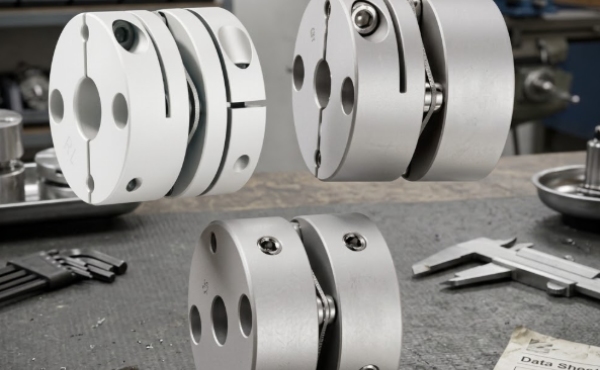
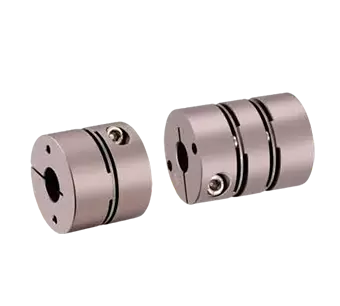
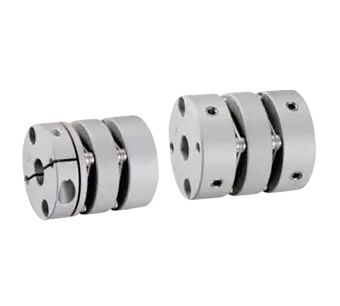
Modern flex coupling shafts typically combine advanced metallurgical design with precision machining processes. The most common structural forms include:
● Beam-type flexible couplings
● Bellows couplings for high-precision motion control
● Disc couplings for torque stability and zero-backlash transmission
● Jaw-type elastomer couplings for shock absorption
Each design type serves a specific mechanical requirement:
● Beam couplings provide high torsional stiffness with moderate flexibility
● Bellows couplings deliver near-zero backlash performance for servo systems
● Disc couplings balance misalignment compensation with torque rigidity
● Elastomer couplings focus on damping and noise reduction
At iHF Group, engineering design emphasizes a balanced performance matrix: torque capacity, fatigue life, and rotational accuracy under continuous load cycles.
3. Key Performance Advantages in Industrial Applications
3.1 Misalignment Compensation Without Performance Loss
In real-world installations, perfect shaft alignment is rarely achievable. Flex coupling shafts mitigate installation tolerances by absorbing angular and radial deviation, significantly reducing:
● Bearing wear
● Motor shaft stress
● System downtime
3.2 Vibration and Shock Absorption
Mechanical systems often generate transient torque spikes during startup or load changes. Flexible coupling shafts act as mechanical buffers, reducing:
● Harmonic vibration transmission
● Gearbox fatigue loading
● Structural resonance risk
3.3 High Torque Transmission Efficiency
Advanced alloy-based designs enable flex coupling shafts to transmit high torque loads while maintaining structural elasticity. This is particularly critical in:
● CNC machining systems
● Conveyor drive assemblies
● Packaging automation lines
3.4 Maintenance Optimization
By minimizing stress concentration, flex couplings extend service intervals and reduce unplanned maintenance, which directly improves total lifecycle cost efficiency.
4. Application-Specific Engineering Use Cases
4.1 Robotics and Automation Systems
Precision motion control requires backlash-free torque transmission. Flex coupling shafts ensure smooth servo motor synchronization and positional accuracy.
4.2 Industrial Pumps and Compressors
In fluid handling systems, misalignment due to thermal expansion is common. Flexible couplings stabilize shaft operation under varying load conditions.
4.3 CNC and Machine Tools
High-speed spindle systems rely on vibration-free torque transfer. Flex coupling shafts reduce harmonic distortion and improve machining precision.
4.4 Energy and Heavy Machinery Systems
In turbines, generators, and heavy drive systems, these couplings protect drivetrain integrity under extreme mechanical stress.
5. Material Science and Manufacturing Precision
The performance of flex coupling shafts depends heavily on material selection and manufacturing accuracy. Common materials include:
● Stainless steel (corrosion resistance + fatigue strength)
● Aluminum alloys (lightweight dynamic systems)
● High-strength alloy steel (heavy-duty torque applications)
Advanced manufacturing techniques used by iHF Group include:
● CNC precision machining
● Laser alignment balancing
● Heat treatment for stress resistance
● Dynamic torque testing under simulated load conditions
These processes ensure dimensional accuracy and long-term mechanical reliability.
6. Selection Criteria for Engineering Buyers
When selecting flex coupling shafts, engineers typically evaluate:
● Maximum torque rating
● Misalignment tolerance range
● Rotational speed capacity (RPM limits)
● Backlash characteristics
● Fatigue life under cyclic loading
● Environmental resistance (temperature, corrosion, dust)
Incorrect selection can result in premature failure, vibration instability, or system inefficiency. Therefore, engineering-grade validation is essential before deployment.
7. iHF Group Engineering Approach
iHF Group integrates system-level design thinking into flex coupling shaft development. Instead of treating couplings as standalone components, the engineering focus is on drivetrain synergy:
● Motor–coupling–load dynamic matching
● Vibration frequency decoupling
● Load distribution optimization
● Long-cycle operational stability
This ensures that each flex coupling shaft functions not just as a connector, but as a precision motion control interface.
Conclusion: The Strategic Role of Flex Coupling Shafts in Modern Industry
As industrial systems move toward higher automation, tighter tolerances, and continuous operation demands, flex coupling shafts have evolved from mechanical accessories into critical performance enablers.
Their ability to combine flexibility with torque precision makes them indispensable in modern drivetrain engineering. With advanced design and manufacturing capabilities, iHF Group continues to deliver coupling solutions that enhance system reliability, reduce operational risk, and support next-generation industrial automation.


 EN
EN en
en vi
vi it
it es
es th
th tr
tr ja
ja pt
pt ko
ko ru
ru fr
fr de
de ar
ar Request Quote