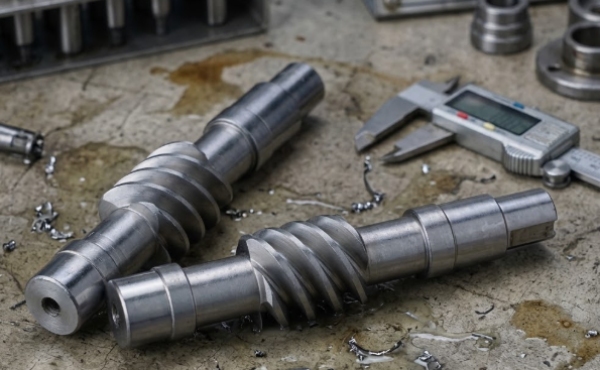
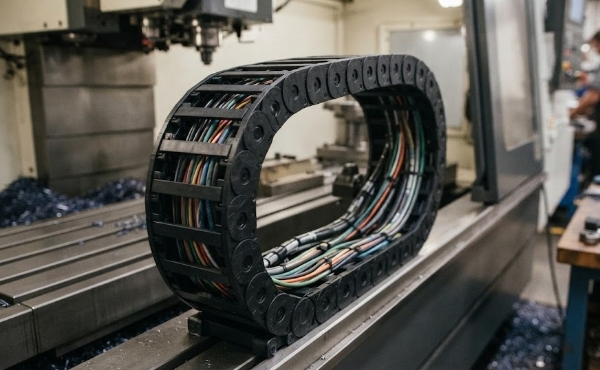
The evolution of advanced robotics—ranging from collaborative robots (cobots) and industrial articulators to humanoid bipedal systems—demands an unprecedented level of power density, torsional rigidity, and positioning fidelity. At the heart of every articulated movement lies the actuator module. To meet these rigorous mechanical constraints, modern automation architectures require a highly integrated robot joint motor gearbox that unifies electromagnetic efficiency with zero-backlash mechanical reduction.
As a premier pioneer in industrial transmission and motion control solutions, iHF Group has engineered a state-of-the-art integrated servo-actuator module. By combining an ultra-low cogging torque permanent magnet motor with a high-precision planetary gear reducer, iHF Group delivers the mechanical foundation necessary for next-generation robotic systems.
⚙️1. What Is a Robot Joint Motor Gearbox?
A Robot Joint Motor Gearbox is an integrated electromechanical system used in robotic joints to convert the high-speed, low-torque output of a motor into low-speed, high-torque motion with precise controllability. It typically combines a servo or brushless motor, a precision gearbox (often planetary or helical gear reduction), and a feedback system such as an encoder to achieve closed-loop control of torque, speed, and position. This allows robotic joints to maintain stable low-speed operation, rapid direction reversal, high torque density, low vibration, and low noise performance. Advanced designs also optimize motor slot structure for improved torque efficiency, reduce cogging torque for smoother motion, and may incorporate dual encoders for enhanced accuracy. In high-end configurations, multiple units can be connected via daisy-chain communication to simplify power and data transmission in multi-axis robotic systems. Overall, it is a core component enabling precision movement in industrial robots, collaborative robots, and automated motion systems.
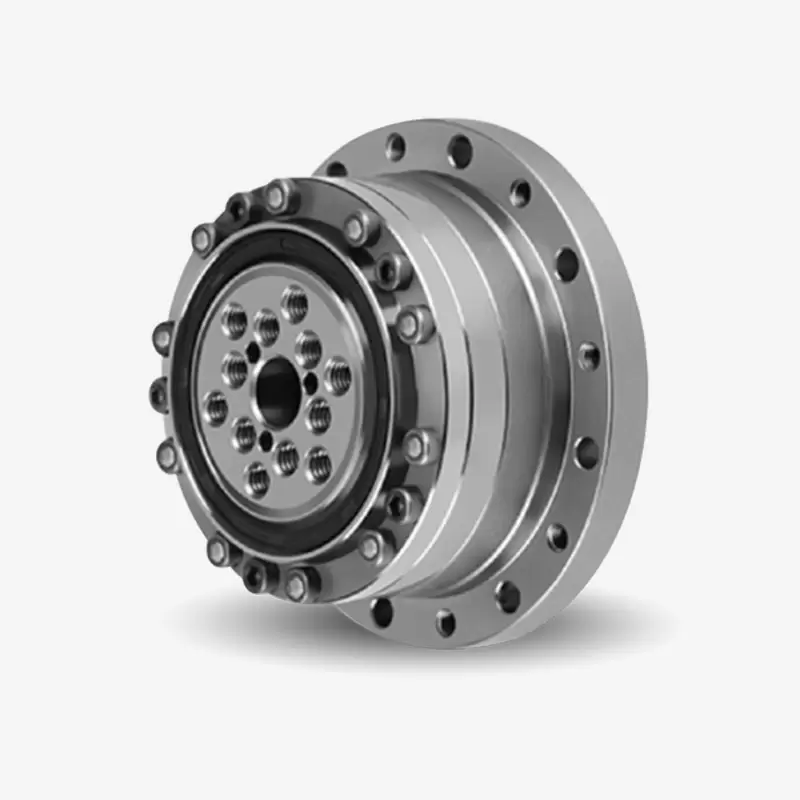
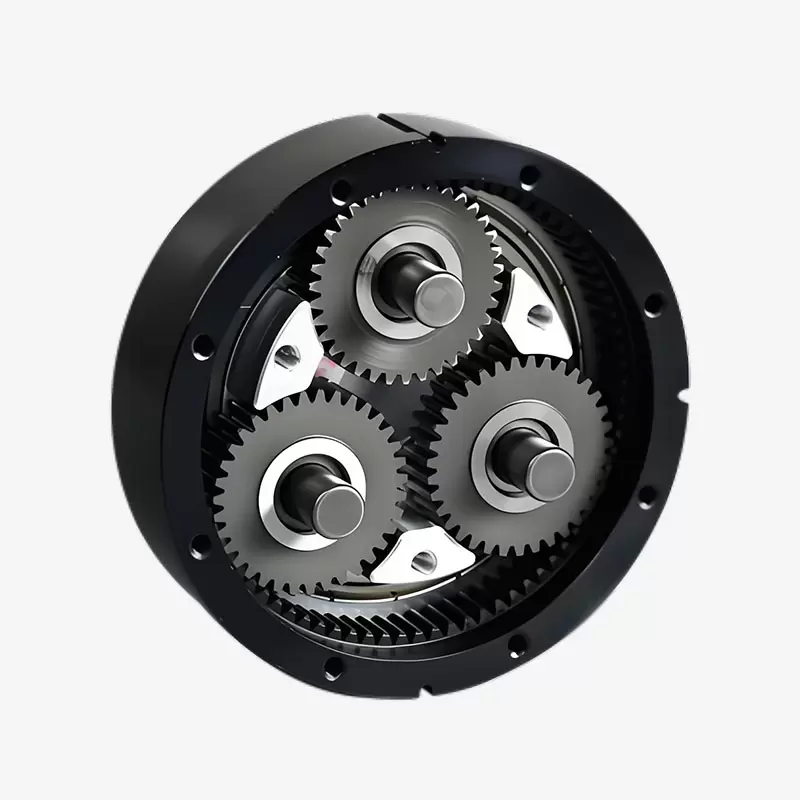
🔩 2. Core Functional Architecture of Robot Joint Motor Gearbox
A robot joint motor gearbox system integrates motor drive technology with high-precision reduction mechanisms, enabling controlled movement in robotic joints.
Its primary functions include:
● torque amplification
● speed reduction and stabilization
● precise position control
● smooth directional transitions
This allows robots to perform complex movements with high repeatability and accuracy.
🎯 3. Key Performance Advantages
⚡ 3.1 Low-Speed Precision Control
One of the most critical requirements in robotics is stable operation at low speeds. The system maintains:
● consistent torque output
● micro-motion accuracy
● smooth rotational behavior
This is essential for tasks such as assembly, welding, and surgical robotics.
🔄 3.2 Rapid Direction Reversal Capability
The gearbox enables fast motor response during directional changes, improving:
● cycle time efficiency
● motion flexibility
● dynamic responsiveness in robotic arms
🔁 3.3 Closed-Loop Control System
A key feature of modern robot joint systems is closed-loop feedback control, enabling:
● torque control
● speed regulation
● precise angular positioning
This ensures that robotic movements are continuously corrected in real time for maximum accuracy.
🌊 3.4 Low Vibration and Noise Operation
Optimized structural design minimizes mechanical instability, resulting in:
● reduced vibration amplitude
● low acoustic noise output
● smoother operational performance
This is particularly important for collaborative robots working near humans.
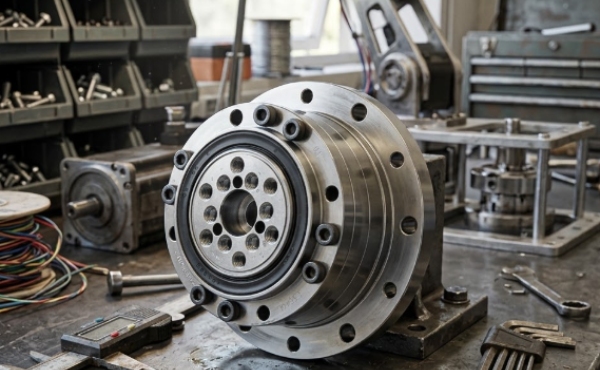
🧠 4. Advanced Engineering Design Features
🧩 4.1 High Torque Density Motor Slot Design
The motor is engineered with optimized slot geometry, improving:
● electromagnetic efficiency
● torque density output
● cogging torque reduction
This allows higher performance in compact robotic joint structures.
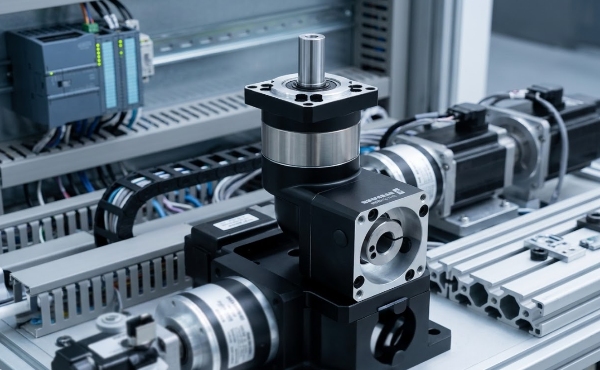
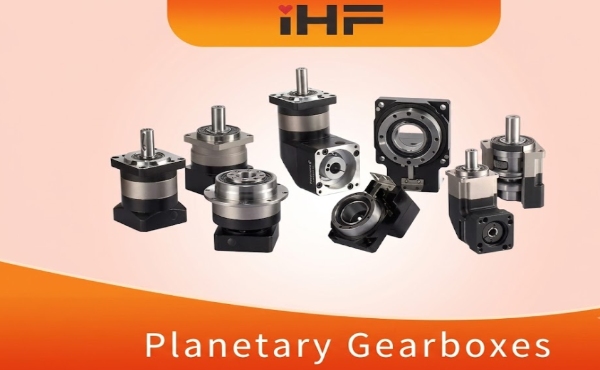
⚙️ 4.2 High-Precision Planetary Gear Reducer
At the core of the gearbox is a helical planetary gear system, designed for:
● high load transmission efficiency
● stable torque conversion
● reduced mechanical backlash
The system achieves a tooth root roundness precision of less than 3 arc minutes, ensuring exceptional positional accuracy in robotic motion control.
🎛️ 4.3 Dual Encoder Feedback System
Advanced configurations support dual encoders, which significantly enhance:
● positional accuracy
● torque feedback resolution
● system redundancy and stability
This enables ultra-precise robotic movement in high-end automation environments.
🔗 4.4 Daisy-Chain Communication Architecture
The system supports daisy-chain configuration, allowing:
● simplified wiring architecture
● reduced installation complexity
● integrated power and data transmission across multiple joints
This is especially valuable in multi-axis robotic systems and humanoid robotics platforms.
🏭 5. Industrial Applications of Robot Joint Motor Gearbox Systems
🤖 Industrial Robotics
Used in robotic arms for welding, assembly, and material handling.
🏥 Medical Robotics
Supports surgical robots requiring ultra-high motion precision.
🧑🤝🧑 Collaborative Robots (Cobots)
Enables safe, smooth human-robot interaction with low noise and vibration.
🚗 Automotive Manufacturing
Used in precision assembly lines and automated production systems.
📦 Logistics Automation
Supports robotic sorting, picking, and packaging systems.
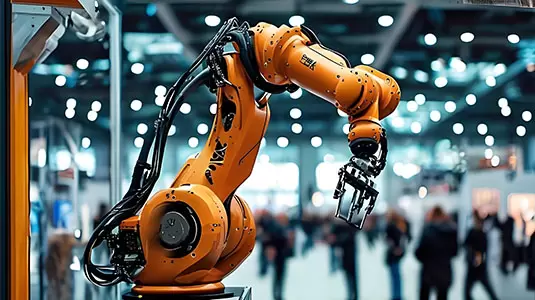
🏗️ 6. Engineering Importance of Gearbox Selection
Selecting the right robot joint motor gearbox is critical because it directly influences:
● motion accuracy
● load capacity
● system stability
● service life
● energy efficiency
Poor gearbox design can result in:
● backlash errors
● overheating
● vibration instability
● reduced robotic precision
🏢 7. iHF Group Engineering Innovation in Robotics Motion Systems
As a specialized manufacturer of motion and transmission systems, iHF Group develops high-performance robot joint motor gearbox solutions designed for modern robotics.
Their engineering approach focuses on:
● high-efficiency planetary gear design
● precision motor integration
● optimized torque-to-size ratio
● low-noise mechanical architecture
● advanced feedback control compatibility
Rather than offering generic mechanical components, iHF Group emphasizes system-level motion optimization, ensuring seamless integration into advanced robotic platforms.
🚀 8. Future Trends in Robot Joint Motor Gearbox Technology
The robotics industry is rapidly evolving, driving innovation in gearbox systems:
● AI-driven motion compensation
● higher torque density miniaturization
● ultra-low backlash gear systems
● fully integrated smart actuators
● improved energy efficiency for humanoid robots
These trends will define the next generation of intelligent robotic motion systems.
🧾 9. FAQ: Robot Joint Motor Gearbox
❓ What makes a robot joint motor gearbox different from a standard gearbox?
It integrates motor control and precision reduction in a single system optimized for robotic motion accuracy.
❓ Why is low vibration important in robotics?
Low vibration ensures higher precision, smoother motion, and improved human-robot interaction safety.
❓ What is the role of a planetary gearbox in robotics?
It provides high torque density, compact structure, and stable motion transmission for robotic joints.
❓ Why use dual encoders in robotic joints?
Dual encoders improve feedback accuracy, redundancy, and closed-loop motion control stability.
❓ What industries benefit most from these systems?
Industrial automation, medical robotics, logistics systems, automotive manufacturing, and collaborative robotics.
🧾 Conclusion: Precision Motion Defines the Future of Robotics
The robot joint motor gearbox is a foundational component in modern robotics, enabling precise, stable, and intelligent motion control across diverse applications.
With advanced engineering features such as closed-loop control, dual encoder feedback, planetary gear precision, and low-vibration operation, these systems are essential for next-generation robotic performance.
Through continuous innovation, iHF Group delivers high-precision motion solutions that empower robotics manufacturers to achieve higher efficiency, accuracy, and system reliability in increasingly complex automation environments.


 EN
EN en
en vi
vi it
it es
es th
th tr
tr ja
ja pt
pt ko
ko ru
ru fr
fr de
de ar
ar Request Quote