Position: Home > News Center > Industry News > Why Heavy-Duty Power Transmission Timing Belt Pulleys Are Crucial for Industrial Efficiency
Why Heavy-Duty Power Transmission Timing Belt Pulleys Are Crucial for Industrial Efficiency
Mar. 27, 2026 Views:202
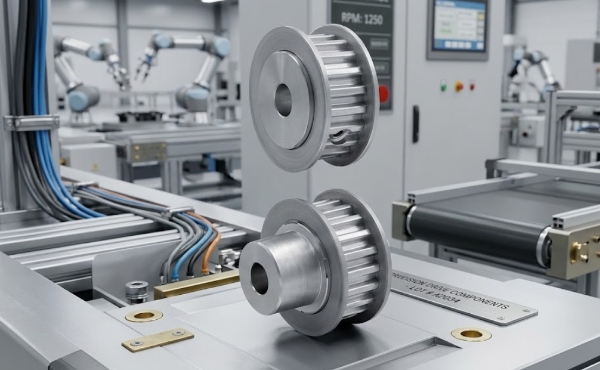
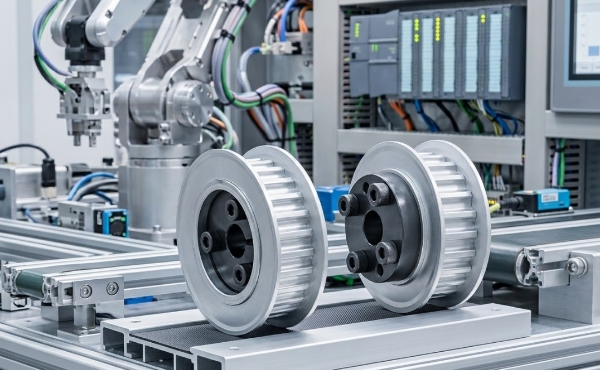
In modern industrial machinery, timing belt pulleys play a critical role in maintaining precise power transmission. When machines operate under high loads and speeds, only heavy-duty power transmission timing belt pulleys can ensure stability, accuracy, and reliability.
Manufactured from high-strength, wear-resistant materials such as alloy steel and aluminum alloy, these pulleys are designed to withstand extreme operating conditions while maintaining their structural integrity. The precision engineering of tooth profiles and pitch ensures smooth engagement with timing belts, minimizing slippage and improving operational accuracy.
Companies such as iHF Group specialize in producing these high-performance pulleys, meeting the demanding standards of industrial automation, robotics, CNC machinery, and heavy-duty equipment.
Key Features That Define Heavy-Duty Pulleys
High-Strength Materials
Heavy-duty timing belt pulleys must resist wear, deformation, and fatigue. Alloy steel and aluminum alloy offer:
● High load-bearing capacity
● Excellent resistance to wear and fatigue
● Long service life in continuous operation
Precision Manufacturing
Strict manufacturing tolerances ensure that the tooth profiles and pitch of each pulley match the timing belt accurately. This improves:
● Transmission accuracy
● Torque stability
● System efficiency
Even minor deviations can lead to increased wear, vibration, or operational inefficiency.
Versatile Design Options
To meet diverse industrial requirements, heavy-duty pulleys are available in multiple configurations:
● Tooth profiles: HTD, T, AT, or custom
● Pitch: 3mm, 5mm, 8mm, 14mm, and others
● Diameters: Small to large for compact or heavy machinery
● Widths: Narrow for precision systems, wide for high torque applications
This versatility makes them suitable for heavy-duty power transmission systems in a wide range of industrial sectors.
Advantages of Heavy-Duty Timing Belt Pulleys
Non-Slip Engagement
The toothed design ensures that the pulley engages firmly with the timing belt, preventing slippage even under heavy torque or speed fluctuations. This is critical for:
● Controlled speed
● Precise positioning
● High repeatability in automated systems
High Transmission Efficiency
Well-designed heavy-duty pulleys can achieve transmission efficiency above 0.98, meaning minimal energy loss during operation. For industrial systems, this translates to:
● Lower operational costs
● Reduced wear on belts and pulleys
● Smoother, quieter operation
Durable Under Harsh Conditions
From heavy manufacturing to robotic automation, these pulleys maintain performance in environments with:
● High temperatures
● Continuous operation
● Variable loads
Companies like iHF Group ensure that all pulleys are rigorously tested for durability and precision before reaching the customer.
视频
Applications Across Industries
Heavy-duty power transmission timing belt pulleys are widely used in:
● CNC machining centers – for precision movement and torque control
● Packaging machinery – maintaining speed and timing accuracy
● Robotic arms – compact, reliable, and precise motion
● Conveyors and material handling systems – transferring power efficiently under load
By selecting the correct pulley design and material, engineers can maximize system efficiency and lifespan.
Choosing the Right Supplier
When sourcing heavy-duty timing belt pulleys wholesale, consider:
● Material quality and sourcing – high-grade alloy steel or aluminum alloy
● Precision manufacturing standards – ISO or equivalent certifications
● Customization options – tooth profiles, pitch, diameter, and width
● Technical support – guidance on selection, installation, and maintenance
iHF Group stands out in this field for its commitment to quality, precision, and industry expertise, ensuring customers get durable, high-performance pulleys tailored to their needs.
Maintenance Tips for Longevity
Even high-quality pulleys require proper maintenance:
● Regularly inspect tooth wear
● Maintain correct belt tension
● Lubricate if applicable (some designs are self-lubricated)
● Replace worn belts to prevent premature pulley wear
Adhering to these guidelines prolongs the life of both timing belts and pulleys, reducing downtime and maintenance costs.
Conclusion
Heavy-duty power transmission timing belt pulleys are small components with big impact. Their material quality, precision, and design flexibility make them indispensable for modern industrial machinery.
Choosing a reliable manufacturer like iHF Group ensures:
● High transmission efficiency
● Reduced maintenance costs
● Enhanced system stability and performance
When planning industrial automation or high-load machinery, investing in high-quality pulleys is not optional—it’s essential.
FAQ
Q1: What differentiates a heavy-duty timing belt pulley from a standard one?
A heavy-duty pulley is made from stronger materials, maintains tighter tolerances, and withstands higher loads and speeds.
Q2: Can I use these pulleys with any timing belt?
Only if the pulley’s tooth profile and pitch match the belt exactly. Misalignment can cause slippage or wear.
Q3: How do I know which diameter and width to choose?
It depends on your load, torque, and space constraints. Suppliers like iHF Group can provide technical guidance.
Q4: Are these pulleys suitable for continuous industrial operation?
Yes, they are designed for high-speed, high-load applications and tested for durability.
Q5: Can I order custom pulleys in bulk?
Absolutely. Most suppliers, including iHF Group, offer custom design options for wholesale orders.
This website uses cookies to provide you with a safer and more personal experience. By accepting, you agree to the Cookie Policy and the use of cookies for advertising and analytics purposes.


 EN
EN en
en vi
vi it
it es
es th
th tr
tr ja
ja pt
pt ko
ko ru
ru fr
fr de
de ar
ar Request Quote