Position: Home > News Center > Industry News > Linear Guides Explained: Enhancing Performance in Automation and Robotics
Linear Guides Explained: Enhancing Performance in Automation and Robotics
Mar. 21, 2026 Views:216
In the realm of precision engineering and automation, the significance of linear guides cannot be overstated. These components are integral to the smooth and accurate movement of machinery and equipment across various industries. At iHF Group, we understand the critical role that linear guides play in enhancing operational efficiency and precision.
Understanding Linear Guides
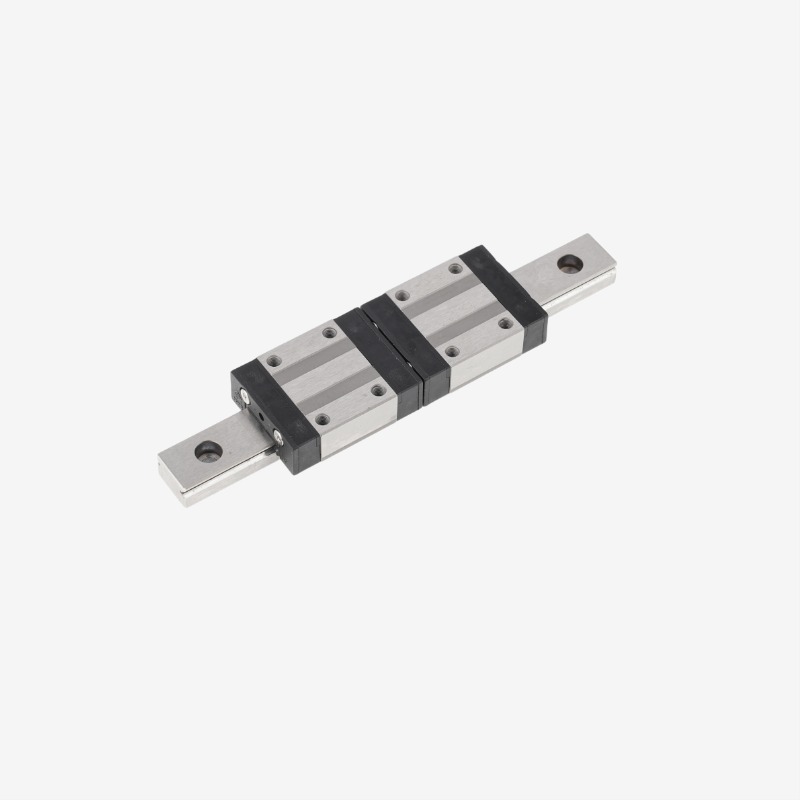
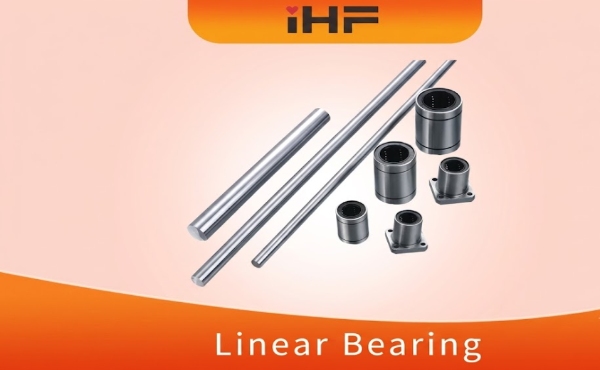
Linear guides, also known as linear motion guides or linear bearings, are mechanical devices designed to facilitate linear motion with minimal friction. They consist of a rail and a sliding block, allowing for smooth movement along a predetermined path. The design of linear guides can vary, but they typically feature ball bearings or roller bearings that reduce friction and wear, ensuring longevity and reliability.
视频
Types of Linear Guides
● Ball Linear Guides: These are the most common type, utilizing ball bearings to provide smooth movement. They are ideal for applications requiring high precision and low friction.
● Roller Linear Guides: These guides use cylindrical rollers instead of balls, offering higher load capacities and stability. They are suitable for heavy-duty applications.
● Profile Rail Guides: Known for their robust construction, profile rail guides are designed for high-load applications. They provide excellent rigidity and are often used in CNC machines.
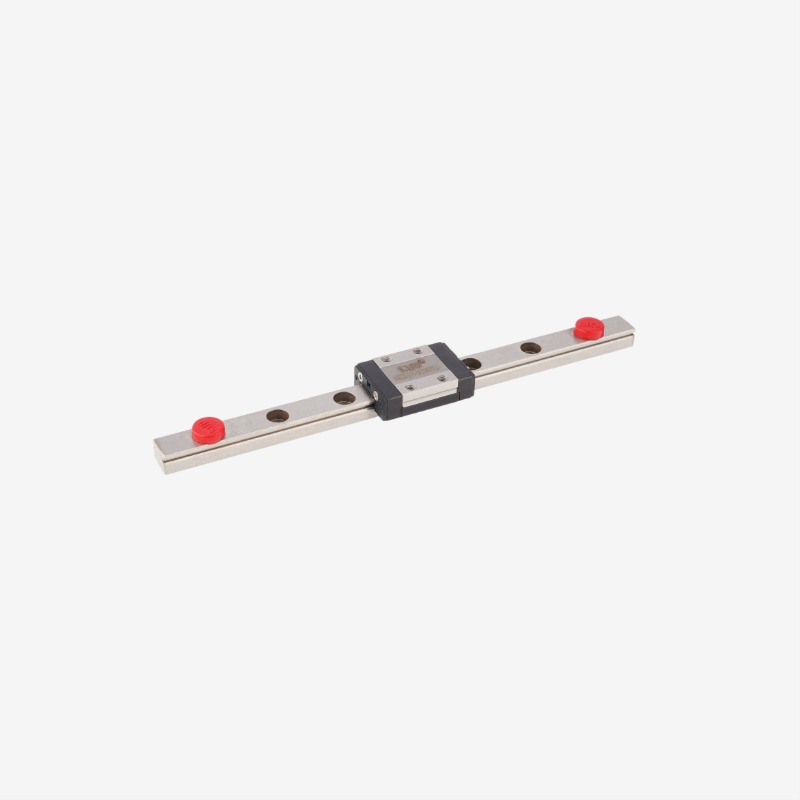
● Miniature Linear Guides: These compact guides are perfect for applications with space constraints, such as robotics and medical devices.
Applications of Linear Guides
Linear guides find applications across various sectors, including:
● Manufacturing: In CNC machines, linear guides ensure precise movement of cutting tools, enhancing product quality and reducing waste.
● Robotics: Linear guides are essential in robotic arms, allowing for accurate positioning and movement in assembly lines.
● Medical Equipment: In devices like MRI machines and surgical robots, linear guides provide the precision necessary for patient safety and effective treatment.
● Automotive: Linear guides are used in assembly lines and testing equipment, ensuring that components are accurately positioned and tested.
Benefits of Using Linear Guides
● Precision and Accuracy: Linear guides offer exceptional accuracy in movement, which is crucial for applications requiring tight tolerances.
● Reduced Friction: The design of linear guides minimizes friction, leading to lower energy consumption and extended equipment lifespan.
● Versatility: With various types available, linear guides can be tailored to meet the specific needs of different applications.
● Ease of Installation: Many linear guides are designed for straightforward installation, reducing downtime and labor costs.
Choosing the Right Linear Guide
When selecting a linear guide, consider the following factors:
● Load Capacity: Ensure the guide can handle the weight of the components it will support.
● Speed Requirements: Different guides are optimized for varying speeds; choose one that matches your operational needs.
● Environmental Conditions: Consider factors such as temperature, humidity, and exposure to contaminants when selecting materials.
● Space Constraints: Ensure the guide fits within the available space while still meeting performance requirements.
iHF Group: Your Partner in Linear Motion Solutions
At iHF Group, we specialize in providing high-quality linear guides tailored to meet the diverse needs of our clients. Our extensive range of products includes ball linear guides, roller linear guides, and profile rail guides, all designed to enhance the efficiency and precision of your operations. Our team of experts is dedicated to helping you select the right linear guide for your specific application, ensuring optimal performance and reliability.
Conclusion
Linear guides are indispensable components in modern engineering, offering precision, efficiency, and versatility across various applications. By understanding the different types and their benefits, you can make informed decisions that enhance your operational capabilities. Partnering with a trusted supplier like iHF Group ensures you have access to the best linear motion solutions available.
FAQs
Q: What are the main advantages of using linear guides?
A: Linear guides provide precision, reduced friction, versatility, and ease of installation, making them ideal for various applications.
Q: How do I choose the right linear guide for my application?
A: Consider factors such as load capacity, speed requirements, environmental conditions, and space constraints when selecting a linear guide.
Q: Can linear guides be used in harsh environments?
A: Yes, many linear guides are designed to withstand harsh conditions, but it's essential to choose materials that are suitable for your specific environment.
This website uses cookies to provide you with a safer and more personal experience. By accepting, you agree to the Cookie Policy and the use of cookies for advertising and analytics purposes.


 EN
EN en
en vi
vi it
it es
es th
th tr
tr ja
ja pt
pt ko
ko ru
ru fr
fr de
de ar
ar Request Quote