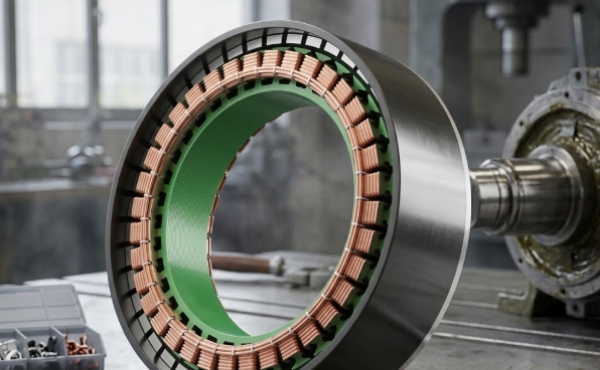
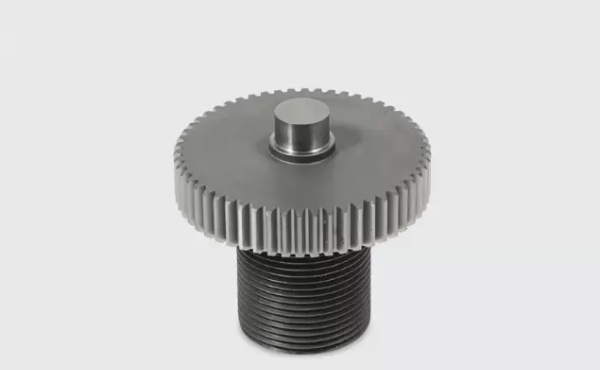
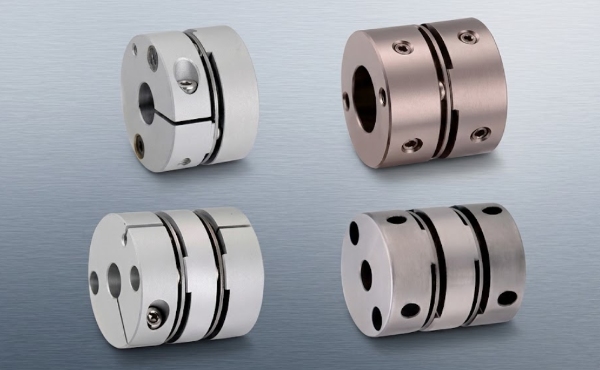
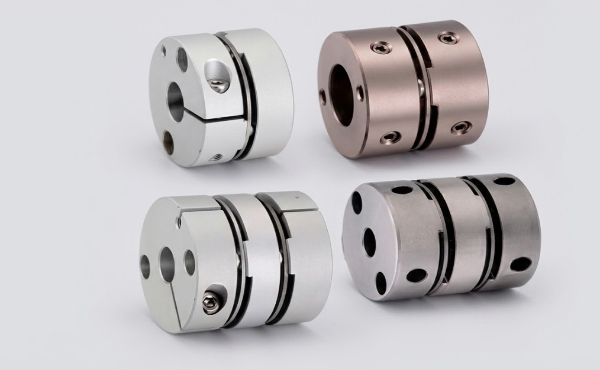
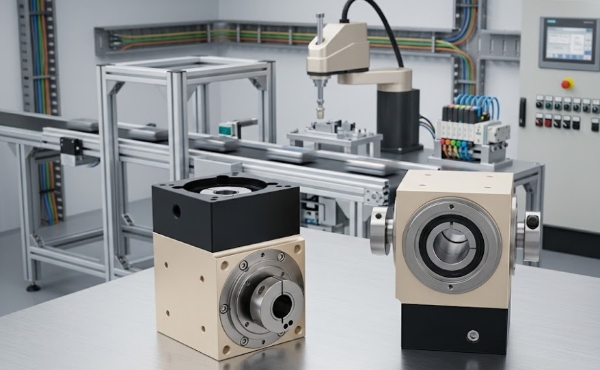
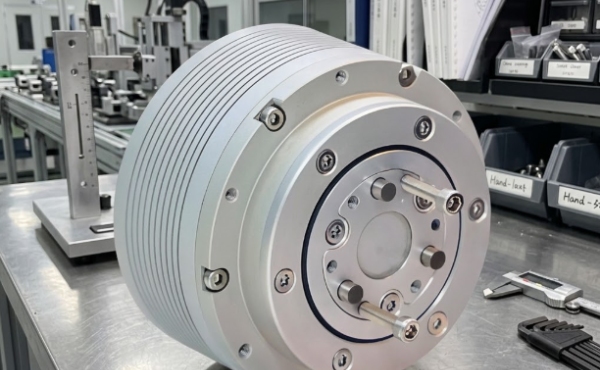
In heavy industrial automation, automotive auxiliary systems, and advanced power tool engineering, dual-shaft output motors serve as an elegant mechanical solution to a complex problem: driving two independent mechanical loads or kinetic paths simultaneously from a single electromagnetic power source. Whether syncing dual conveyor lanes, driving parallel mechanical actuators, or operating balance-critical aerospace linkages, these configurations eliminate the need for redundant secondary motors, reducing overall footprint and material overhead.
However, pulling mechanical power from both ends of a single armature shaft introduces massive torsional loads and unbalanced radial forces directly onto the motor's core electrical interface—the commutator. To prevent premature brush wear, severe bar-to-bar dielectric breakdown, and localized thermal runaway, system designers are specifying specialized Dual-Shaft Output Motor Commutators - AT-FL Series to handle high-vibration, multi-axial power demands.
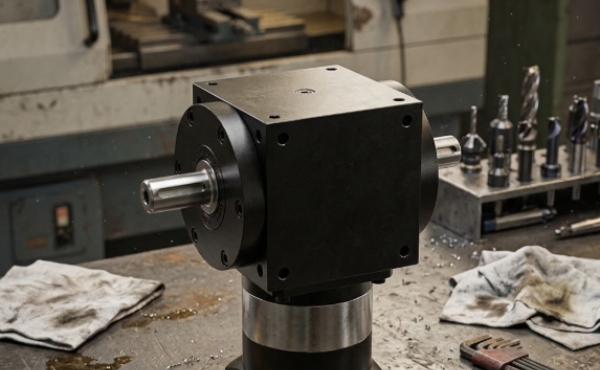
Metallurgical Integrity: Engineering Against Centrifugal and Torsional Stress
The primary mechanical vulnerability of a heavy duty dual output shaft motor commutator lies in its structural integrity at high angular velocities. When a motor drives two mechanical loads simultaneously, any slight variation in torque demand across the twin shafts creates internal torsional stress within the armature core. This stress reflects directly onto the copper segment assembly.
To combat this phenomenon, the Dual-Shaft Output Motor Commutators - AT-FL Series utilizes high-conductivity silver-bearing copper alloys. The inclusion of trace silver raises the material's recrystallization temperature, preventing the copper bars from softening under intense localized frictional heating at the carbon brush contact face.
Furthermore, the individual commutator segments are anchored using advanced silver-brazed or cold-extruded interlocking riser geometry. This design ensures that even when subjected to intense centrifugal forces during sudden directional reversals, the bars experience zero radial shift. This advanced anchoring keeps the total profile runout strictly under sub-micron thresholds, maintaining a near-perfect cylindrical path under heavy stress.
Minimizing Sparking: Dielectric Optimization and Segment Geometry
In any brush-commutated DC or universal motor system, electrical arcing occurs during the commutation cycle as the brush transitions across the insulation gap from one bar to the next. In a dual-axis drive system, this arcing can be intensified by rotational imbalances between the two load ends. Utilizing a standard, low-tier commutator under these conditions leads to severe bar-edge pitting, carbon brush glazing, and catastrophic electromagnetic interference (EMI).
The AT-FL Series dual shaft commutator components solve this electrical degradation vector by utilizing high-segment-density configurations paired with ultra-pure alkyd-vinyl or epoxy molded resins. The dielectric isolation barriers between the copper segments are fabricated using premium built-up mica flakes bound with high-temperature silicon resins.
Additionally, the segment layout features highly accurate segment skewing. By positioning the bars at a precise geometric angle relative to the axial centerline, the transition of the carbon brush across the insulation gap occurs gradually rather than instantaneously. This reduces inductive voltage spikes, limits sparking, and extends carbon brush operational lifecycles by up to 300 percent.
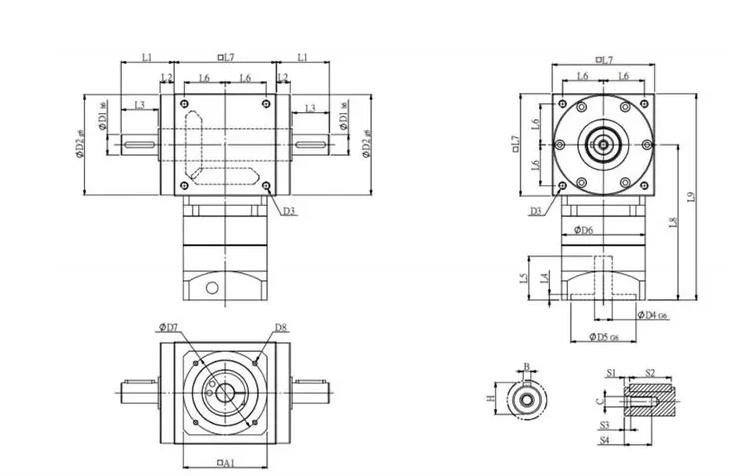
Precision Manufacturing: The iHF Group Engineering Edge
When sourcing electrical components for high-volume automated manufacturing lines, batch-to-batch consistency is vital for maintaining product quality. This level of metrological control is where the production capabilities of iHF Group establish an industry benchmark.
Every AT-FL Series motor commutator manufactured by iHF Group undergoes rigorous automated optical inspection and dynamic balancing protocols before final packaging. This manufacturing precision guarantees that the internal bore diameter matches the dual-output armature shaft perfectly, avoiding micro-wobbles during high-speed operation.
The production teams at iHF Group employ precision diamond-turning lathes to achieve a flawless surface finish on the brush track, maintaining an ultra-smooth surface roughness profile. This exceptional finish allows the carbon brushes to form a stable, low-friction conductive film immediately during initial break-in runs. This smooth contact pattern limits acoustic noise and prevents the high-frequency brush bounce that typically degrades lower-tier motor builds.
Advanced Thermal Management and Field Procurement Metrics
For design engineers integrating the AT-FL Series high precision dual shaft commutator into enclosed industrial tool housings or automotive powertrains, managing heat dissipation is crucial. If internal temperatures rise unchecked, the structural resin core can deform, causing segments to lift and destroying the armature assembly.
The structural matrix of the AT-FL Series features integrated cooling fan notches and extended copper riser profiles that act as passive heat sinks to maximize continuous airflow.
Technical Performance Checklist:
1. High-Dielectric Isolation Capacity: Capable of withstanding continuous dielectric voltage testing exceeding 2000V AC between individual segments and the central steel core bush, ensuring total safety in high-voltage industrial systems.
2. Controlled Mica Under-Cutting: The mica insulation sheets are under-cut to a precise depth of 0.5 mm to 0.8 mm with a clean 90-degree vertical wall angle. This profile prevents the mica from lifting and dragging across the brush face as the copper naturally wears down over time.
3. Optimal Hardness Profiles: The copper bars are cold-worked to a precise hardness specification matching the mechanical characteristics of standard industrial carbon brushes to ensure uniform, predictable wear rates over years of continuous deployment.
Conclusion
As industrial equipment becomes more intelligent, compact, and performance-driven, the importance of precision motor components continues to grow. The Dual-Shaft Output Motor Commutators – AT-FL Series provide the electrical stability, mechanical durability, and manufacturing precision required for today's demanding motor applications.
Backed by advanced engineering, premium materials, and stringent quality control, iHF Group delivers commutator solutions that help manufacturers improve motor efficiency, extend service life, and achieve superior product performance across automation, automotive, robotics, medical, and industrial sectors.
For OEMs and equipment manufacturers seeking dependable, high-performance motor components, the AT-FL Series represents a reliable and future-ready solution.


 EN
EN en
en vi
vi it
it es
es th
th tr
tr ja
ja pt
pt ko
ko ru
ru fr
fr de
de ar
ar Request Quote