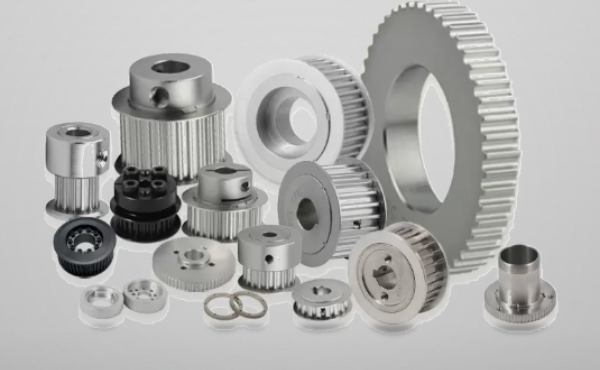
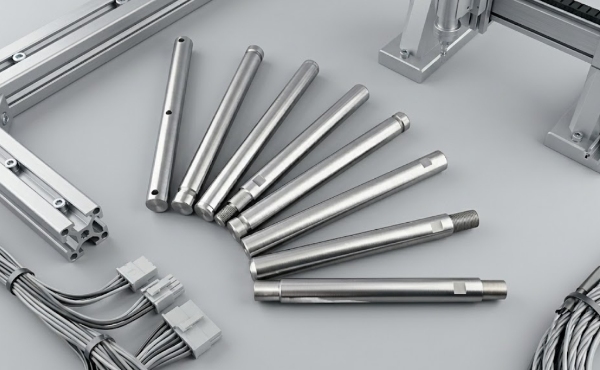
In modern mechanical transmission systems, achieving precise motion control and stable torque transfer is critical. Whether in industrial automation, robotics, CNC machinery, or high-performance mechanical assemblies, timing belt systems are widely used for their efficiency, low noise, and accurate synchronization. However, the overall performance of these systems does not rely solely on belts and drive pulleys. An often underestimated but essential component is the Toothed Idler Pulley.
A well-designed toothed idler pulley improves belt tracking, maintains tension stability, reduces vibration, and enhances the lifespan of the entire timing system. Manufacturers specializing in precision mechanical components, such as iHF Group, have developed high-performance toothed idler pulleys that combine advanced materials, optimized bearing configurations, and precision machining to meet demanding industrial applications.
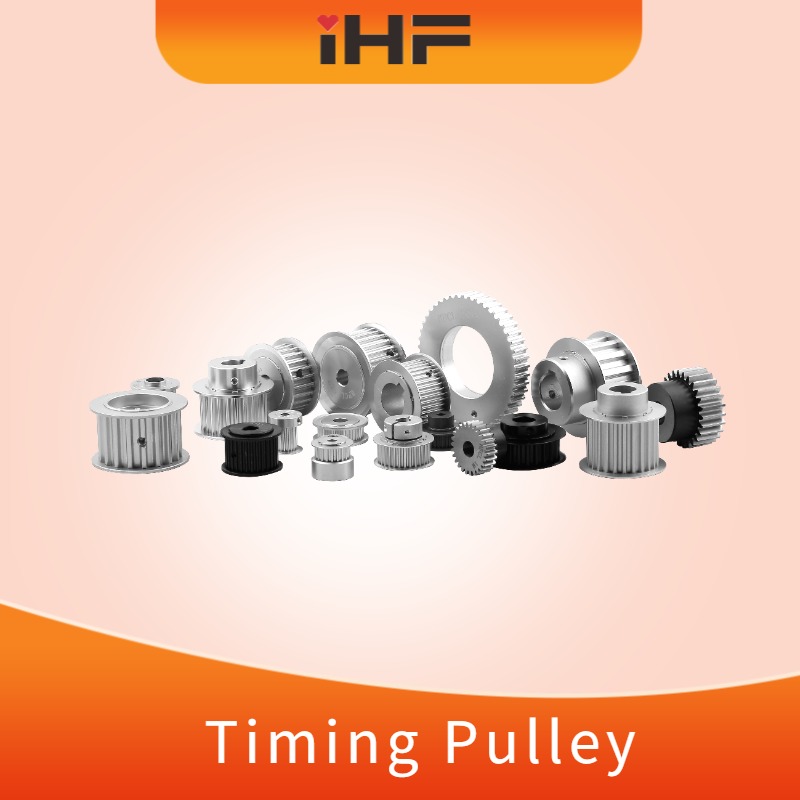
What Is a Toothed Idler Pulley?
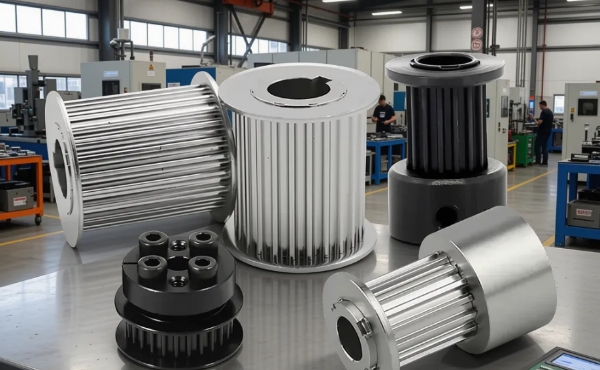
A Toothed Idler Pulley is a non-driven pulley used in synchronous belt systems to guide, tension, or redirect the timing belt. Unlike smooth idlers, toothed idlers have matching tooth profiles that engage directly with the timing belt. This design ensures precise engagement and eliminates slippage, making them ideal for applications where positional accuracy is critical.
The main functions of a toothed idler pulley include:
Maintaining proper belt tension
Guiding belt path in complex layouts
Increasing belt wrap angle around drive pulleys
Reducing vibration and belt flutter
Enhancing load distribution across the belt system
By optimizing belt alignment and maintaining consistent engagement, toothed idlers help ensure reliable power transmission in high-precision mechanical systems.
Advanced Structural Design for High Performance
Precision Machined Aluminum Body
High-quality toothed idler pulleys are typically manufactured using 6061 aluminum alloy, a material known for its excellent strength-to-weight ratio, machinability, and corrosion resistance.
The pulley body and integrated flanges are precision machined from solid aluminum billets, ensuring:
Compared with heavier steel pulleys, aluminum components significantly reduce system weight while maintaining structural integrity. This makes them particularly suitable for high-speed motion systems and automated machinery.
Companies like iHF Group apply strict CNC machining standards to ensure tight tolerances and consistent tooth profiles that match timing belt specifications.
Integrated Flange Design
Flanges play an essential role in preventing belt misalignment. Integrated flanges—machined as part of the pulley body—offer several advantages over separate components:
increased structural stability
improved concentricity
reduced assembly complexity
lower risk of flange loosening during operation
This design ensures stable belt tracking even under fluctuating loads or high-speed conditions.
High-Quality Bearing Systems for Smooth Operation
The internal bearing system directly affects the efficiency and lifespan of an idler pulley. High-performance toothed idlers incorporate steel precision bearings designed to minimize friction while supporting continuous rotational loads.
Two primary bearing configurations are commonly used.
Center Bearing Type
The Center Bearing Type configuration utilizes a single centrally positioned bearing. This design offers several advantages:
This configuration is ideal for applications with limited installation space or lighter load requirements.
Dual Bearing Type
For more demanding mechanical environments, the Dual Bearing Type provides enhanced stability and load distribution.
Key benefits include:
This configuration is widely used in automation equipment, high-speed machinery, and industrial drive systems where operational reliability is essential.
Manufacturers such as iHF Group provide both bearing configurations to ensure compatibility with various mechanical system requirements.
Surface Finishing for Durability and Environmental Resistance
Surface treatment plays an important role in protecting mechanical components from wear, corrosion, and environmental exposure.
High-quality toothed idler pulleys typically offer two common finishing options.
Clear Anodizing
Clear anodizing is widely used for aluminum components because it enhances corrosion resistance while preserving the natural metallic appearance.
Advantages include:
improved oxidation resistance
enhanced surface hardness
aesthetic metallic finish
lightweight protective coating
This finish is particularly suitable for applications in robotics, electronics manufacturing, and clean mechanical systems.
Nickel Plating
Nickel plating provides a harder surface layer and greater wear resistance compared to anodizing.
Key benefits include:
increased surface durability
improved friction resistance
enhanced resistance to abrasion and chemical exposure
Nickel-plated pulleys are often used in demanding industrial environments where mechanical wear is more severe.
Flexible Tooth Count Options for System Design
One of the key advantages of modern toothed idler pulleys is the flexibility in tooth configurations.
Typical pulleys are available with 16 to 60 teeth, allowing engineers to adapt the system design according to specific mechanical requirements.
This range offers several important design benefits:
Design engineers can select appropriate tooth counts to maintain proper belt engagement while minimizing system size and complexity.
The product portfolio from iHF Group supports a wide range of tooth configurations, enabling precise customization for various industrial systems.
Industrial Applications of Toothed Idler Pulleys
Because of their precision and reliability, toothed idler pulleys are widely used in many engineering sectors.
Industrial Automation
Automated production equipment relies on synchronous belt drives to ensure precise positioning and repeatable motion cycles. Toothed idler pulleys help maintain belt alignment and tension stability.
CNC Machinery
In CNC machines, accurate motion control is essential. Idler pulleys improve belt routing and ensure smooth movement across linear axes.
Robotics and Motion Systems
Robotic arms and automated platforms often operate at high speeds with frequent acceleration and deceleration. Lightweight aluminum pulleys reduce inertia while maintaining structural strength.
3D Printing and Precision Equipment
In high-precision devices such as 3D printers and laboratory instruments, toothed idler pulleys contribute to quiet operation and accurate motion synchronization.
Conclusion
The Toothed Idler Pulley is a crucial component in modern synchronous belt systems. By ensuring accurate belt guidance, maintaining proper tension, and improving load distribution, these pulleys significantly enhance the efficiency and reliability of mechanical transmission systems.
With precision-machined 6061 aluminum construction, durable steel bearings, flexible tooth counts from 16 to 60, and advanced surface finishing options such as clear anodizing and nickel plating, modern idler pulleys offer both performance and durability.
Through continuous engineering innovation and manufacturing excellence, iHF Group provides high-quality toothed idler pulleys that support industrial automation, robotics, CNC machinery, and other precision-driven applications.
As motion control technologies continue to evolve, the importance of well-designed idler pulleys will only grow—ensuring smoother operation, longer system lifespan, and greater mechanical efficiency.


 EN
EN en
en vi
vi it
it es
es th
th tr
tr ja
ja pt
pt ko
ko ru
ru fr
fr de
de ar
ar Request Quote